Cox's first collection of poetry.
In this acclaimed volume, prizewinning poet and nature writer Christopher Cokinos takes us on an epic journey from Antarctica to outer space, weaving together natural history, memoir, and in-depth profiles of amateur researchers, rogue scientists, and stargazing dreamers to tell the riveting tale of how the study of meteorites became a modern science.
In the title story of this dazzling comic collection, a psychology professor delivers a lecture that segues into a confession of an embarrassing affair. An elderly man worried that his life is going downhill heads to an Indian casino in hopes of some relief. A recently divorced man arrives half an hour late to a bachelor party to find that the frightened groom has sent everyone else home. A reclusive writer visits a small college at the invitation of a former student, and nothing goes right. Funny and generous, these stories are virtuoso performances–moving forays into disconcertingly familiar territory that line the often slippery boundaries between masculinity and humanity in American life.
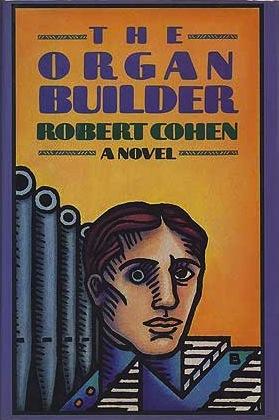
Watching his career and marriage disintegrate, Samuel Karnish meets a Hasidic couple from Brooklyn and begins an unlikely friendship with them, an event that leaves him morally confused and doubting his own faith.
Disillusioned with his life and troubled by a mysterious past, corporate lawyer Hesh Freeman agrees to help two filmmakers with their project about his long-lost father, who helped build the A-bomb.
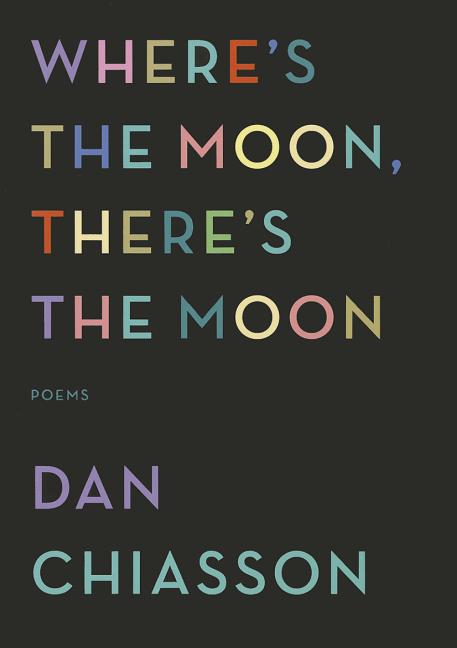
With “the easy charm of a natural New England oracle” (The Huffington Post), Dan Chiasson brings us poems of young fatherhood, love, and loss that, in his able hands, become existential examinations.
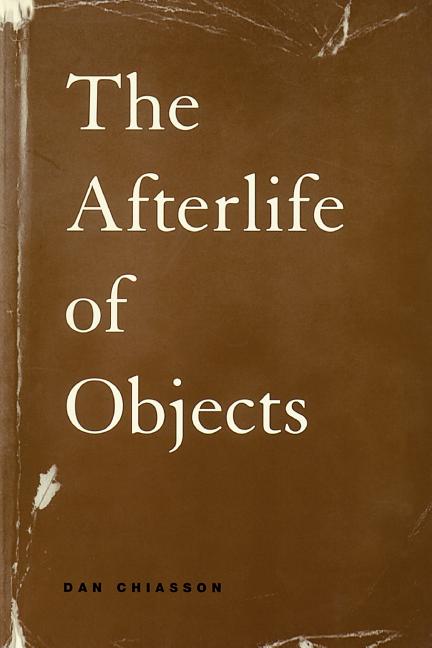
Both intensely personal and deeply rooted in recognizable events of personal, familial, or national significance, The Afterlife of Objects is a kind of dreamed autobiography. With poise and skill, Dan Chiasson divulges the enigmas of the mind of not just one individual but of an entire social world through a beautifully constructed poetic voice that issues from a kind of mythic childhood of our collective, tortured humanity. This sophisticated debut collection offers deceptively simple poems that evoke highly complex states of mind with a voice that has long been listening to the discordant music of contemporary life.
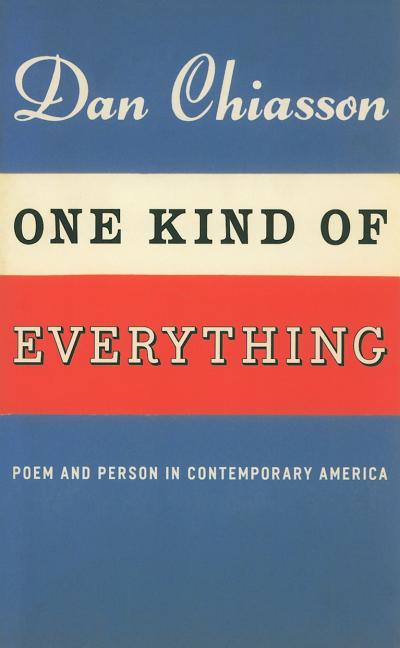
One Kind of Everything elucidates the uses of autobiography and constructions of personhood in American poetry since World War II, with helpful reference to American literature in general since Emerson. Taking on one of the most crucial issues in American poetry of the last fifty years, celebrated poet Dan Chiasson explores what is lost or gained when real-life experiences are made part of the subject matter and source material for poetry. In five extended, scholarly essays—on Robert Lowell, Elizabeth Bishop, Frank Bidart, Frank O’Hara, and Louise Glück—Chiasson looks specifically to bridge the chasm between formal and experimental poetry in the United States. Regardless of form, Chiasson argues that recent American poetry is most thoughtful when it engages most forcefully with autobiographical material, either in an effort to embrace it or denounce it.
This “portable Carruth” gathers new poems with the essential works from a major American poet. Included are lyrics, short narratives, comic, meditative, and erotic poems that engage politics, music, rural poverty, and the cultural responsibility of artists.
Hayden Carruth's epic meditation on the nature of Romance draws on the tradition born with the 13th century troubadours, examining that tradition through an enlightened perspective. Praising the initial publication in 1982, Carolyn Kizer wrote, "For twenty years Hayden Carruth has been one of our finest poets, as well as a superb critic of poetry." Now she adds, "The poem is unique in its understanding of the link between love of woman and love of nature. Those two great contemporary issues, recognition of women, and respect for our fragile world, are bound together in profound unity." To this revised edition, the poet has added a new canto and clarified others. Our pre-eminent poet of improvisation within form, Carruth's renowned technical genius explores a fifteen-line, approximate pentameter form of the poet's invention, constantly calling in people connected to the letter H, from Hesiod, Homer and Hesse, to Herr Husband, Householder and Handyman, finding resonance in all our comic tragedies, personal or mythic.