In Scott Blackwood's debut collection of nine thematically linked stories set in Austin, Texas, people live on the cusp of the past and present, saddled with the knowledge that "sometimes what you're thinking can't be dovetailed with what you do."
An Englishman who has lived in both New York and Istanbul, John Ash is one of the great masters of poetic clarity. His books on the Byzantine world and ancient Anatolia are widely admired for their elegance and candor. "These poems believe intensely in the world they bear witness to. So vividly do they believe in the happenstance they behold that at times they go for quiet, unemphatic ways of talking, perfectly registered" — Rain Taxi.
Ash's first collection. From the back cover: "Sonatas. Rain. Musical animals. Angels. Braided Intersections. Architraves. Cracked, black glass. Office buildings in sunsets. Those puppet theatres you used to be able to make up from the backs of breakfast cereal packets, but with a generous selection of well-designed backdrops in colours guaranteed not to fade. Sexual encounters in modernized fairy-tales. Science fiction and disguised nostalgia. Some portraits: an ancient debutante, a young dead poet, the murdered favourite of a Chinese emperor. Music, not painting, as paradigm. A divertimento in three parts. Large rhythmic units, not 'metrically exact lines', not iambics except as ancestral ghosts. Developments in remote keys. Variations with the 'theme' well concealed. Television soap-operas viewed as hallucinations. The sadness of old dance tunes. Urban pastorals. Fake ruins. Conversations, not sermons. Lyricism, not messages. The image of a better world presented without false optimism."

John Ash's second collection brings together new poems, his pamphlet Casino, his Oasis Books volume The Bed, and "Epitaph for the Greeks in India." The poems consider nightlife, music, death, nature, civilization, emotions, and the imagination.
In The Anatolikon, Ash's deep knowledge of Byzantine and Ottoman cultures, as well as his daily life, informs poems that somehow still reflect his awareness of Western poetics and experimentation.
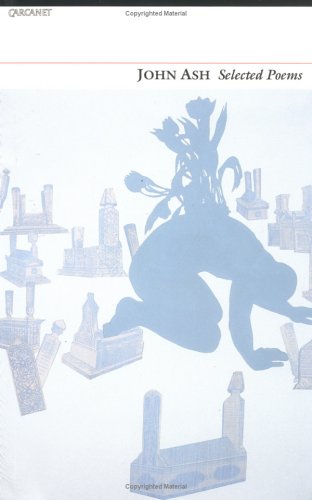
This work draws on John Ash's four collections and is virtually a Collected Poems. Among contemporary British poets he is known for his wit, formal ambition and his Byzantine range.
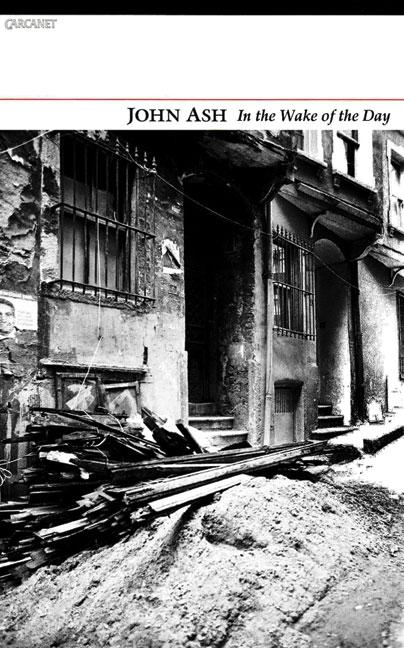
Istanbul—a place that is both exotic and familiar, spanning west and east, past and present—is fully explored in this collection of poetry that sketches out its many faces. Memories, cultures, and histories intersect in these poems that arch from imaginings of contemporary Turkey and trace back along a journey to Antioch. With characteristic playfulness, sophistication, and savage wit, this sojourn delves into what it means to be a part of a culture and to celebrate what is loved and ultimately unknowable.
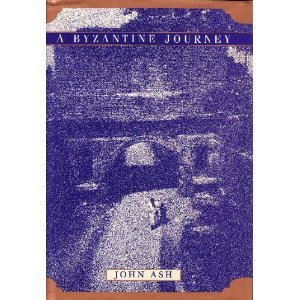
For those interested in a deeper appreciation of the Byzantine Empire and its importance to world history, this engaging, richly detailed travelogue introduces a colorful cast of personalities from the region's fascinating history and provides a detailed description of the art and influences of the time.
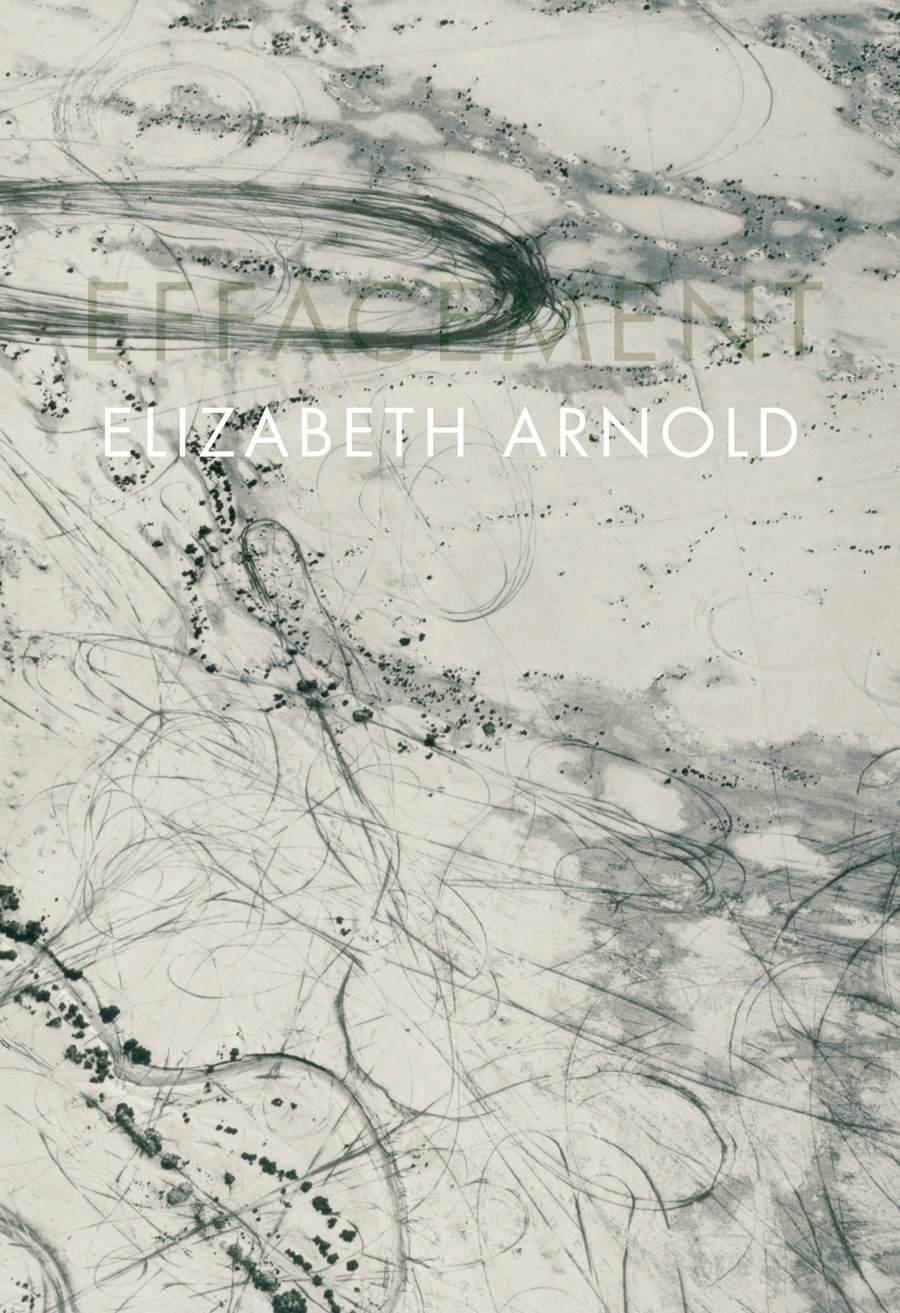
"In this remarkable new book, Elizabeth Arnold focuses on what certain bodies undergo against forces that efface them. Physical law has it that 'what pokes out gets hit.' Limbs, noses, and jaws are blown off. There are mastectomies. Prosthetic reconstruction is 'flesh displaced.' Some of those who experience it learn that there is now between them and the ones they love a wall of cancelled desire. 'One can adjust to this, they say, but not // from it.' Losses such as these italicize how unlikely it was to begin with that any soul should ever have made its way into a body out of the oblivion that precedes birth. Death too is that oblivion. Its 'fingers' open the face out of which 'something // inner joins the surface' as soon as the eyes ask for help." — James McMichael.