WHITING WHITING WHITING WHITING WHITING
  • Foundation ▼ ▲
    • Home
    • People
    • History
    • Contact
  • Literature ▼ ▲
    • Whiting Award
      • About
      • Current Winners
      • Browse Winners
      • Search All Winners
      • Keynotes
    • Nonfiction Grant
      • About
      • Grantees
    • Magazine Prizes
      • About
      • Winners
    • Discover Writing
      • New Books
      • Chapbooks
      • Videos
      • Random Winner
  • Humanities ▼ ▲
    • Preserving Heritage
    • High Schools
    • Past Programs
      • About
      • PEP Fellows
      • PEP Seed Grantees
      • Dissertation Fellows
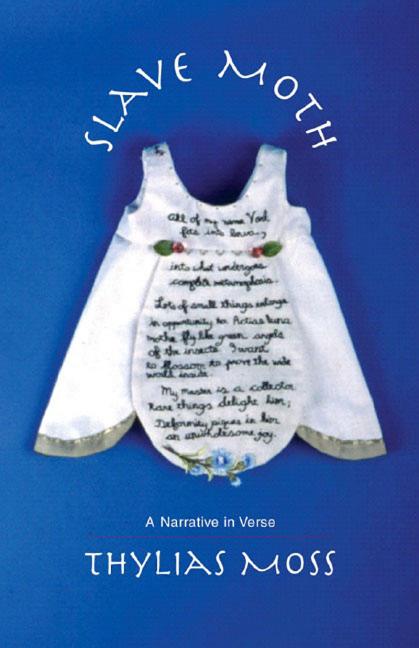
Slave Moth
A Narrative in Verse

Named by Black Issues as the best poetry book of 2004, this is the astonishing story of a slave girl in the antebellum South. This critically acclaimed verse-novel follows the unforgettable Varl, a slave on a plantation in Tennessee, on her path to freedom. Wise beyond her years and wildly creative, Varl must choose between the only life she's known—her Mamalee, her friends (especially her beloved Dob), the farmland she's explored since childhood—and her growing need for self-determination. Standing in her path, waiting to quash her spirit, is her master, the cunning Peter Perry, "a collector of rare things" who aims to add Varl herself to his perverse assortment of oddities. With Slave Moth, Thylias Moss shows herself yet again to be "a visionary storyteller" (Charles Simic). Written in gorgeous verse, it is an explosion of life in the face of servitude.
  • Print Books
  • Find your local bookstore (via IndieBound)
  • Powell's
  • Barnes & Noble
  • Alibris
  • Abe Books
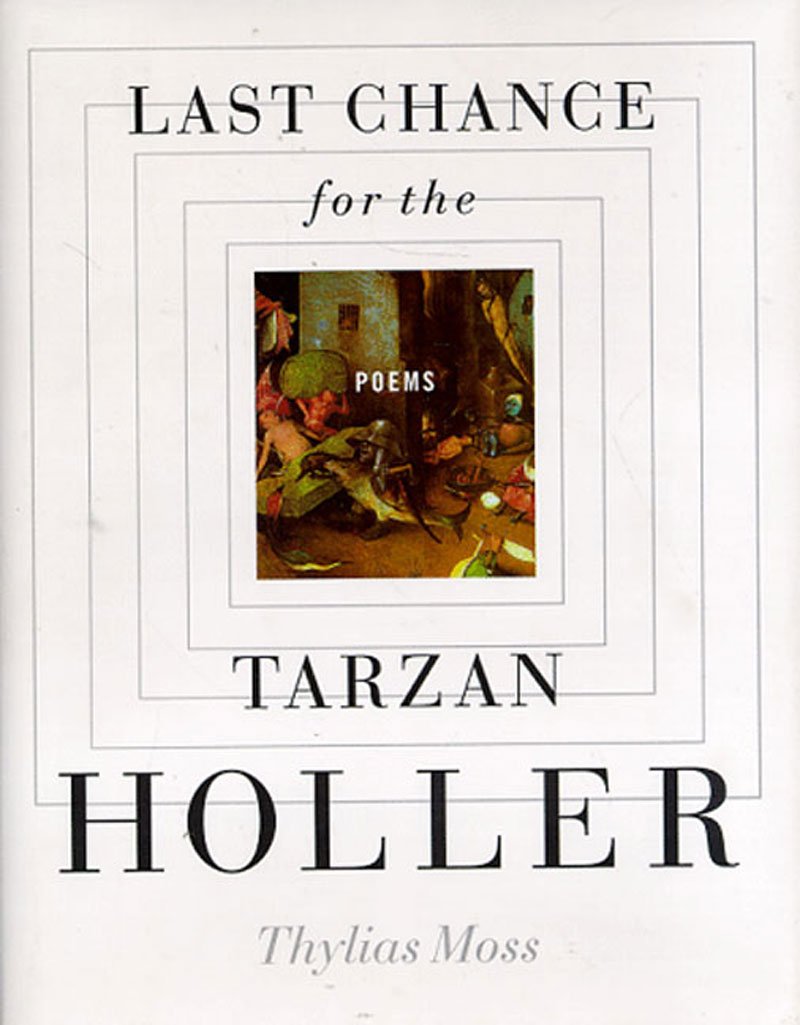
Last Chance for the Tarzan Holler
Poems

The latest volume of this important and highly original poet's work is a three-part journey into the pathology of human emotions. In a cascade of language—ordinary speech, preaching, song, banter, erudition—all that is good spirals into regions of horror and grotesque inconsistency with consequences as contemporary as headlines and as eternal as myth. Intense and brilliantly sustained, these poems limn the humane being tested, the plunge into strangeness, and finally recovery, the salvaging of wonder after all. Last Chance for the Tarzan Holler was a finalist for the National Book Critics Circle Award and a Village Voice Favorite Book of 1998.

  • Print Books
  • Find your local bookstore (via IndieBound)
  • Powell's
  • Barnes & Noble
  • Alibris
  • Abe Books
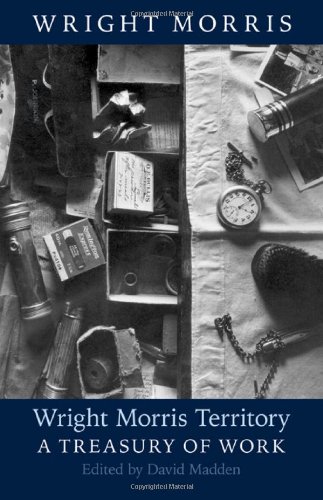
Wright Morris Territory
A Treasury of Work

Best known for his novels, including the National Book Award winners The Field of Vision and Plains Song, Nebraska-born author Wright Morris has long been regarded as one of America’s most gifted writers. This volume, culling work from the photo-text books, criticism, and numerous short stories frequently overlooked among his oeuvre, reflects the true breadth of this quintessentially American artist’s talents. As such, it offers a fascinating overview of Morris’s inspiring accomplishments in multiple genres. While embracing the prose for which Morris is justly famous, this treasury of work also highlights his photography and other literary genres, including hard-to-find stories first published in magazines, some of which were early drafts of future novels. Edited by Morris’s long-time friend David Madden, this one-of-a-kind collection captures a man of multifarious genius. Replete with interviews, photography, a biographical sketch, suggestions for further reading, and Morris’s inimitable writing, this compendium is an indispensable resource for those who wish to understand and appreciate the brilliance and virtuosity of one of America’s true talents.

  • Print Books
  • Find your local bookstore (via IndieBound)
  • Powell's
  • Barnes & Noble
  • Alibris
  • Abe Books
  • University of Nebraska Press
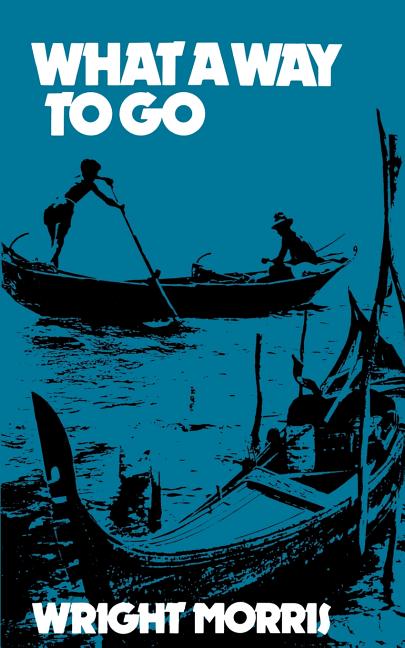
What a Way to Go
A Novel

The reader of this rollicking novel, first published in 1962, accompanies forty-seven-year-old Professor Arnold Soby (regarded by his girl students as safe and acceptable, but also good fun) on a sabbatical voyage to Italy and Greece. Among Soby's shipboard companions are Miss Winifred Throop, retired head mistress of the Winnetka Country Day School; her companion and colleague, Miss Mathilde Kollwitz, teacher of French and German; and Miss Thropp's seventeen-year-old niece, Cynthia Pomeroy, beautiful, scatterbrained, and studiously vulgar. Standing off the challenges of Italian and Swiss rivals, Soby pursues Cynthia through the waterways and plazas of Venice, the hills of Corfu, the ruins of Athens, and aboard the tiny, rolling, pitching tub Hephaistos in Greek waters. As is characteristic of Wright Morris's fiction, the real story develops beneath the surface of the brilliantly entertaining narrative.

  • Print Books
  • Find your local bookstore (via IndieBound)
  • Powell's
  • Barnes & Noble
  • Alibris
  • Abe Books
  • University of Nebraska Press
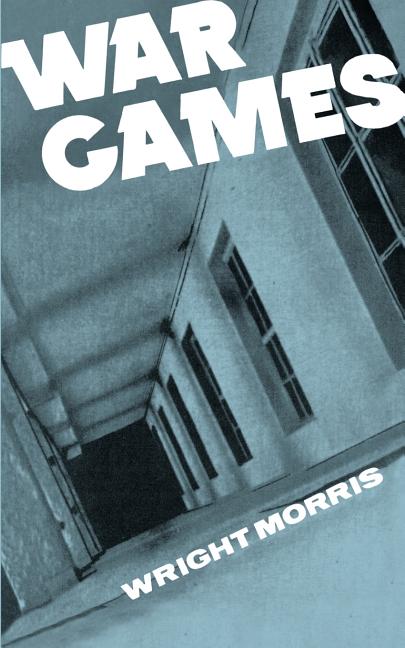
War Games
A Novel

Written twenty years before it was first published in 1972, War Games features both black and charcoal-gray humor, whose characters and events are as unpredictable as they are absorbing—a book, in the author's words, "where the extremity of the bizarre is seen as the ultimate effort to change oneself, if not the world." At the center of the novel is the developing relationship between the protagonist, a fifty-three-year-old army colonel, and a Viennese immigrant whom he first knows as Mrs. Tabori and whose story he has learned through a dying amputee, Human Kopfman. Themes and characters that first appear in War Games reappear in The Field of Vision and Ceremony in Lone Tree.

In the preface to this edition, Wright Morris describes the genesis of the book in 1951 and comments on its connections with his late work: "War Games may well prove to be the seedbed of much more in my fiction than I am aware, since it was the first turning of earth more than twenty years buried. My novels are linked in this manner, but sometimes at odds with the chronology of publication. In the absence of War Games, many clues to the fiction that followed were missing . . . [This novel] seems to me darkly somber, a book of interiors, dimly lighted streets, hallways and lobbies, with glimpses of objects and colors that emerge in subdued lighting. I'd like to think that my readers, both new and old, will find the world of the Colonel and Mrs. Tabori relevant to the one in which they are living."

  • Print Books
  • Find your local bookstore (via IndieBound)
  • Powell's
  • Barnes & Noble
  • Alibris
  • Abe Books
  • University of Nebraska Press
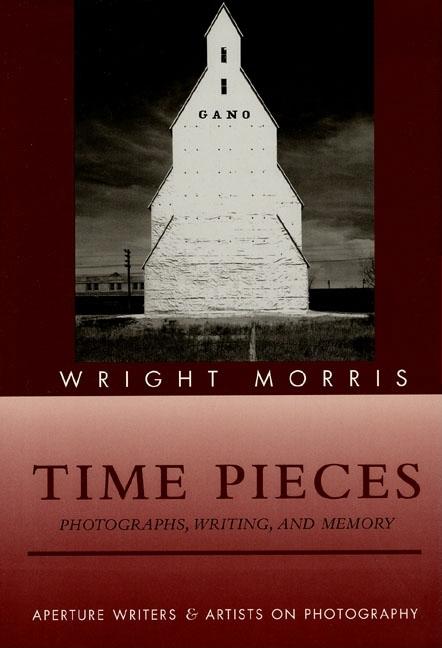
Time Pieces
Photographs, Writing, and Memory

In Time Pieces, award-winning novelist and photographer Wright Morris provides an introspective investigation into the relationships between photographs and text. This seminal collection of essays, on subjects ranging from portraits of pioneers in the American West to writings by Susan Sontag and Henry James, provides a kaleidoscope of "time pieces" that serve to illuminate a complex, expressive, and evolving art form. It is Morris's singular gift that he is able to bring out such a rich and vibrant dialogue between the world of photography and the world of literature.

  • Print Books
  • Find your local bookstore (via IndieBound)
  • Powell's
  • Barnes & Noble
  • Alibris
  • Abe Books
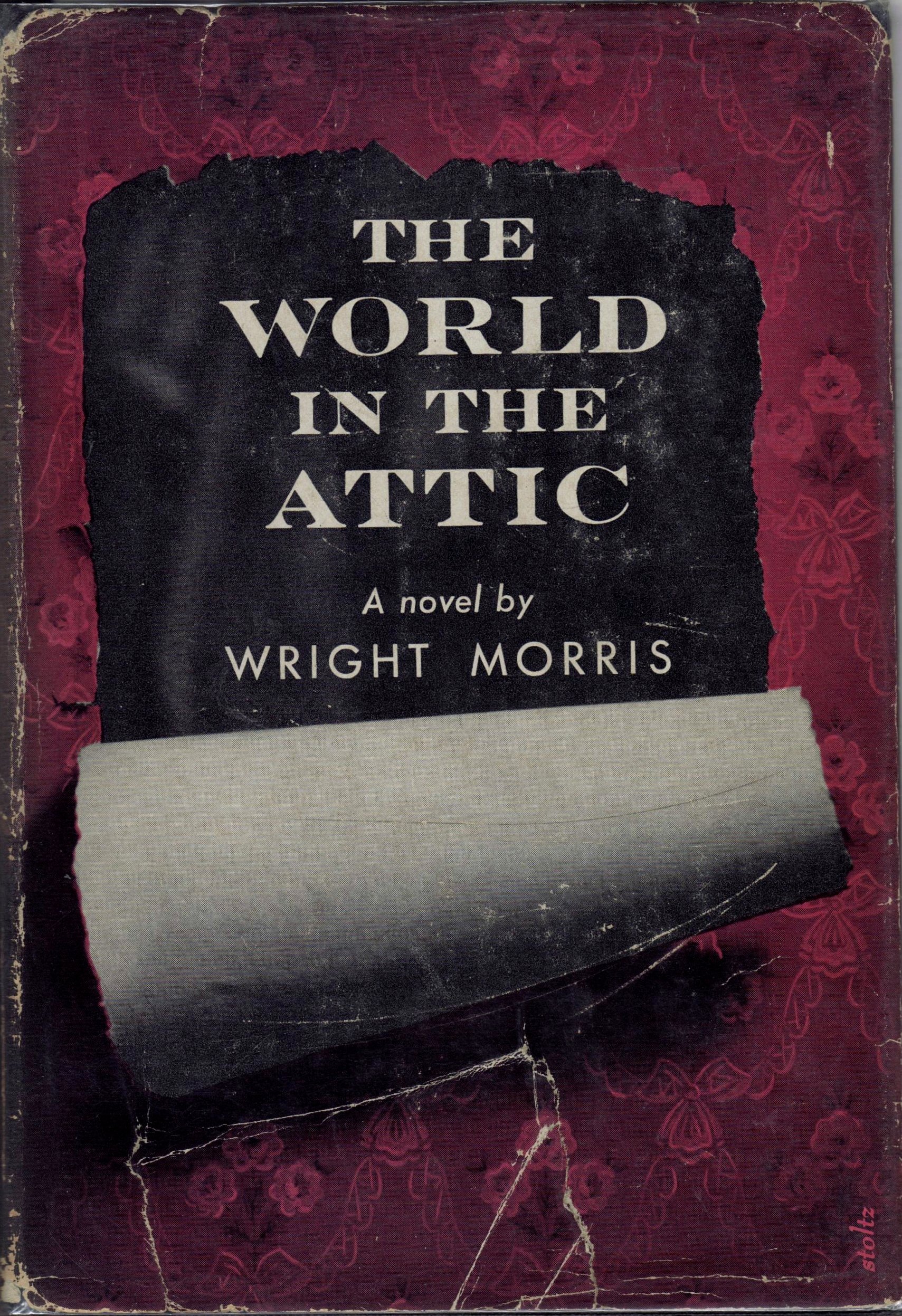
The World in the Attic
A Novel

In this sequel to The Home Place, Clyde Muncy reconnects with an old friend, discovering that the folk traditions that are a major part of his high-plains heritage have unexpected gothic elements.

  • Print Books
  • Find your local bookstore (via IndieBound)
  • Powell's
  • Barnes & Noble
  • Alibris
  • Abe Books
  • University of Nebraska Press
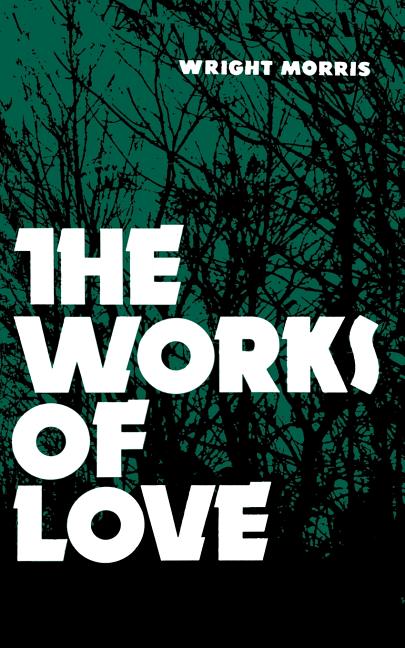
The Works of Love
A Novel

"When I was a boy of eight in the Platte Valley of Nebraska, my father made the first of the many moves that would prove to be of interest to a future writer of fiction. They were east to Chicago, the point on the map where all the lines pointed. Almost twenty years would pass before I would seek to recapture the past that I had experienced. The Works of Love is the first fruit of that effort, and the linchpin in my novels concerned with the plains. The reader who has read The Home Place or The Field of Vision will find in this novel the crux of an experience I frequently return to but never exhaust." —Wright Morris

  • Print Books
  • Find your local bookstore (via IndieBound)
  • Powell's
  • Barnes & Noble
  • Alibris
  • Abe Books
  • University of Nebraska Press
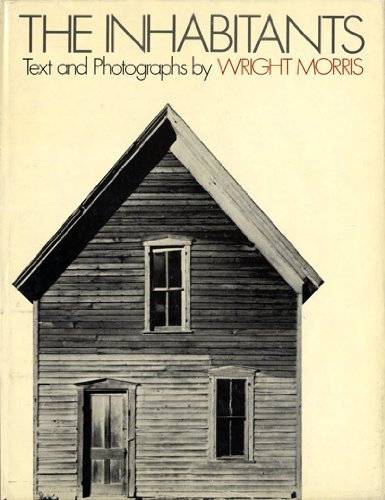
The Inhabitants

Photographs and text by Wright Morris.

  • Print Books
  • Find your local bookstore (via IndieBound)
  • Powell's
  • Barnes & Noble
  • Alibris
  • Abe Books
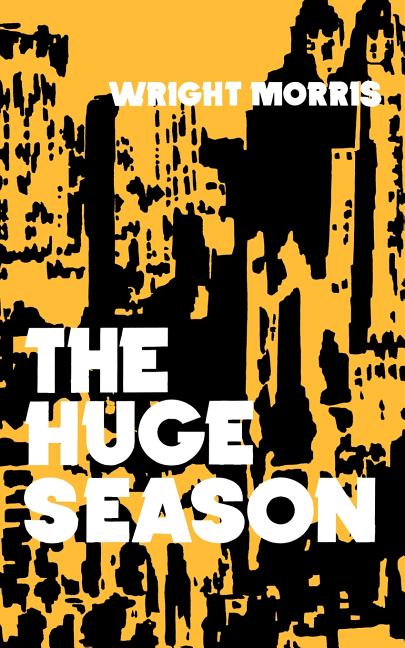
The Huge Season
A Novel

In this novel, set in 1952 but intermingling the past and present, the protagonist reviews the effects of the Jazz Age on himself and a friend, recalling their exploits in college, in Paris, and in love. The result is the picture of a generation.

  • Print Books
  • Find your local bookstore (via IndieBound)
  • Powell's
  • Barnes & Noble
  • Alibris
  • Abe Books
  • University of Nebraska Press

Pagination

  • Previous page ‹‹
  • Page 76
  • Next page ››
Subscribe to M

Sitemap Menu

  • Foundation
    • Home
    • People
    • History
    • Contact
  • Literature
    • Whiting Award
    • Nonfiction Grant
    • Magazine Prizes
    • Discover Writing
  • Humanities
    • Preserving Heritage
    • High Schools
    • Past Programs


  • Accessibility Notice Accessibility Notice
  • PRIVACY & TERMS
  • © WHITING FOUNDATION
  •  
Site by PASTPRESENTFUTURE, with design by Language Arts