The author of Tuxedo Junction analyzes the Motown phenomenon and its effect on the relationship of blacks and whites in American culture, the media, and the business world of the sixties and early seventies.
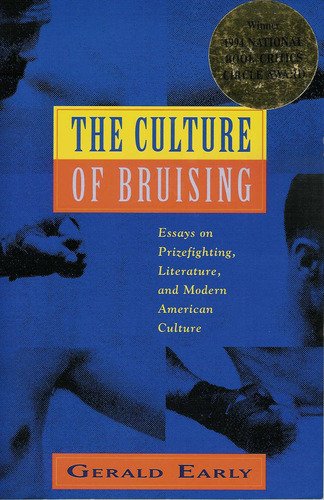
A collection of essays, a long-awaited sequel to the first volume, Tuxedo Junction. Gerald Early explores not only a variety of subjects, but the form of essay itself, touching on subjects such as multiculturalism, black history month, baseball, racist memorabilia, performance magic and race, Malcolm X, early jazz music and, finally, the raising of daughters.
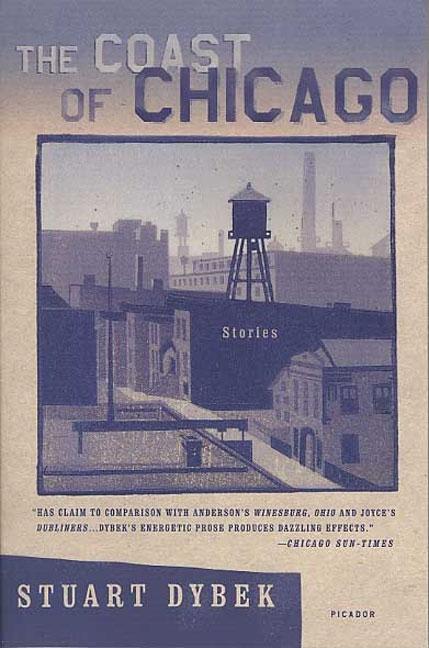
The stolid landscape of Chicago suddenly turns dreamlike and otherworldly in Stuart Dybek's classic story collection. A child's collection of bottle caps becomes the tombstones of a graveyard. A lowly rightfielder's inexplicable death turns him into a martyr to baseball. Strains of Chopin floating down the tenement airshaft are transformed into a mysterious anthem of loss. Combining homely detail and heartbreakingly familiar voices with grand leaps of imagination, The Coast of Chicago is a masterpiece from one of America's most highly regarded writers.
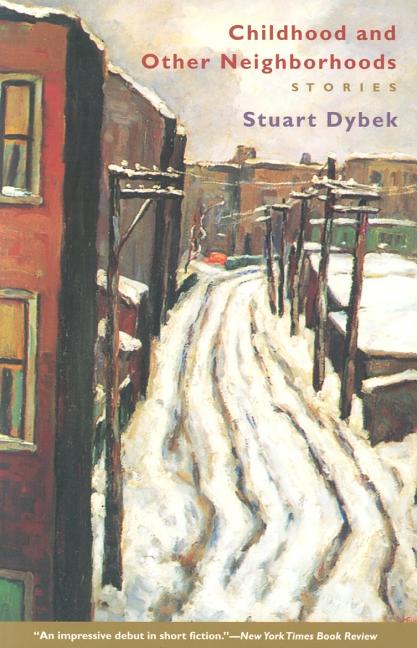
In Stuart Dybek's Chicago, wonder lurks in unexpected places—in garbage-strewn alleys, gloomy basement apartments, abandoned rooms at the top of rickety stairs periodically rumbled by passing el trains. Transformed through the wide eyes of Dybek's adolescent heroes, these grimy urban backwaters become exotic landscapes of fear-filled possibility, of dreams not yet turned to nightmares. Chronicling what happens when Old World faith meets the dark side of the American dream, Dybek's poignant stories of coming of age in Chicago alternately appall, amaze, and just simply entertain.
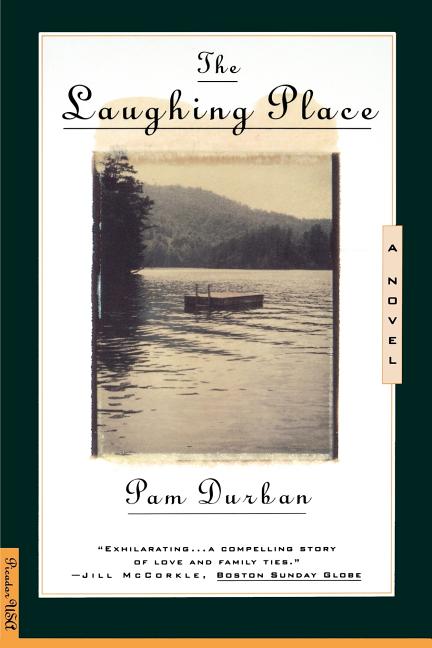
John and Louise Vess have conducted their lives seamlessly and honorably in the South Carolina home that has been in their family for generations. Upon John's sudden death, their daughter Annie—also a recent widow—returns to comfort Louise. But Annie finds all has changed: a gigantic artificial lake has flooded the woods she remembers, her sensible mother spouts born-again homilies, and her father's reputation is threatened by a long-hidden scandal.
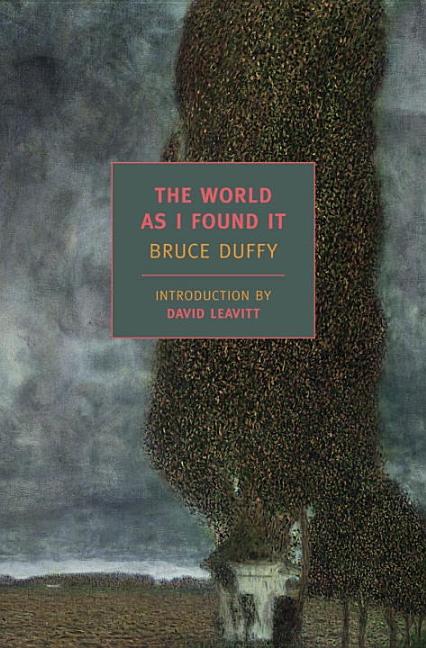
When Bruce Duffy’s The World As I Found It was first published more than twenty years ago, critics and readers were bowled over by its daring reimagining of the lives of three very different men, the philosophers Bertrand Russell, G. E. Moore, and Ludwig Wittgenstein. A brilliant group portrait with the vertiginous displacements of twentieth-century life looming large in the background, Duffy’s novel depicts times and places as various as Vienna 1900, the trenches of World War I, Bloomsbury, and the colleges of Cambridge, while the complicated main characters appear not only in thought and dispute but in love and despair. Wittgenstein, a strange, troubled, and troubling man of gnawing contradictions, is at the center of a novel that reminds us that the apparently abstract and formal questions that animate philosophy are nothing less than the intractable matters of life and death.
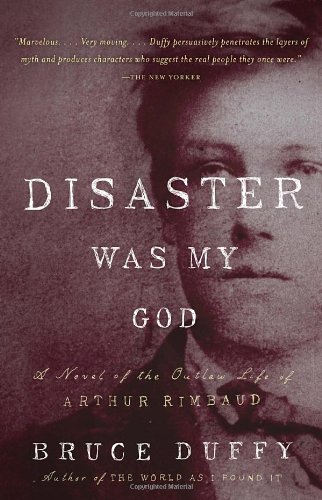
Arthur Rimbaud burst onto the literary scene in 1871 with a startling new voice, transforming himself from an anonymous country boy into the sensation of Paris. His explosive life included a passionate affair with the older (and married) poet Paul Verlaine, and a prosperous career as a trader and arms dealer in Ethiopia. A cancerous leg forced him to return to France, where he died at the age of thirty-seven. Bruce Duffy takes these astonishing facts and brings them to vivid life in a story rich with humor, exquisite writing, and alarming parallels to our own contemporary moment. Disaster Was My God vividly conveys, as few works ever have, the inner turmoil of this calculating genius, and helps us understand why Rimbaud’s work and life continue to influence protean rock legends, from Bob Dylan to Patti Smith.
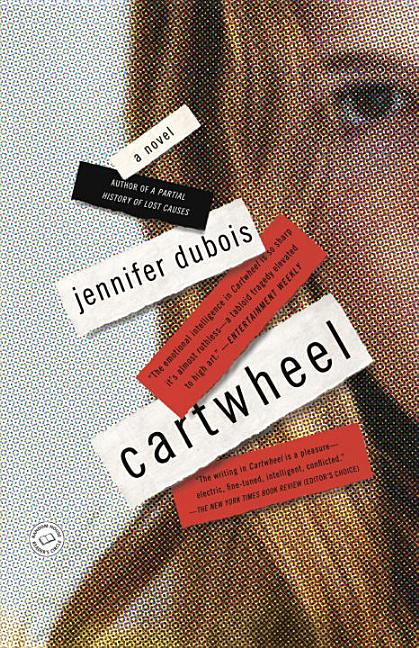
Written with the riveting storytelling of authors like Emma Donoghue, Adam Johnson, Ann Patchett, and Curtis Sittenfeld, Cartwheel is a suspenseful and haunting novel of an American foreign exchange student arrested for murder, and a father trying to hold his family together. When Lily Hayes arrives in Buenos Aires for her semester abroad, she is enchanted by everything she encounters: the colorful buildings, the street food, the handsome, elusive man next door. Her studious roommate Katy is a bit of a bore, but Lily didn’t come to Argentina to hang out with other Americans. Five weeks later, Katy is found brutally murdered in their shared home, and Lily is the prime suspect. But who is Lily Hayes? It depends on who’s asking. As the case takes shape—revealing deceptions, secrets, and suspicious DNA—Lily appears alternately sinister and guileless through the eyes of those around her: the media, her family, the man who loves her and the man who seeks her conviction.
With mordant wit and keen emotional insight, Cartwheel offers a prismatic investigation of the ways we decide what to see—and to believe—in one another and ourselves. In Cartwheel, duBois delivers a novel of propulsive psychological suspense and rare moral nuance. No two readers will agree who Lily is and what happened to her roommate. Cartwheel will keep you guessing until the final page, and its questions about how well we really know ourselves will linger well beyond.
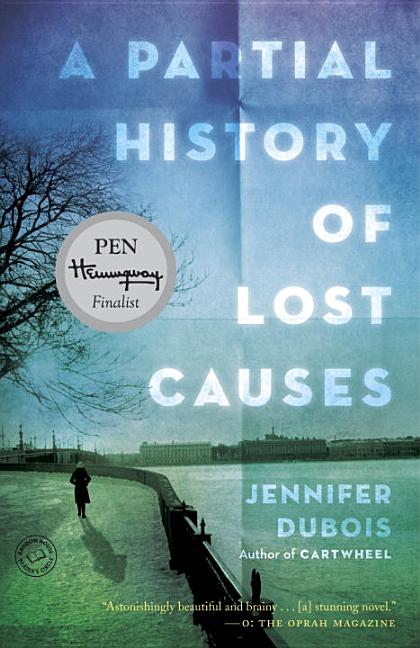
In Jennifer duBois’s mesmerizing and exquisitely rendered debut novel, a long-lost letter links two disparate characters, each searching for meaning against seemingly insurmountable odds. With uncommon perception and wit, duBois explores the power of memory, the depths of human courage, and the endurance of love.
A collection of meditations on the essential themes: mortality and life, beauty and loss. It is haunted by the spectre of AIDS, but is transfigured by author's ranging imagination, effortless stylistic skill and emotional power.