They Don't Own Us: Harlan County, Kentucky and the Past and Future of American Workers
The project:
They Don't Own Us narrates what the fight against the economic, political, and cultural changes that scholars call neoliberalism looked like from the perspective of working-class Americans. In the late 1960s and 1970s, working people built a now mostly-forgotten interracial movement to reform unions and empower American workers. During Harlan County’s Brookside coal strike, local women, working and disabled miners, and United Mine Workers of America officials worked together to reinvent labor organizing and defeat Duke Power, a major power company. Brookside proved democratic reformers could run a union and use it to improve working-class lives. The strike also enabled the rank-and-file take-over of the UMWA to serve as the model for future union reform efforts, including those used by union workers in our present-day.
From They Don't Own Us:
Joe had trouble getting a job at first, and Betty went to work outside the home as a nurse’s aide at Appalachian Regional Hospital in Harlan. When he got a position as a repairman at Glenbrook, a UMWA mine in the southern part of Harlan County next to the Virginia state line, she quit. But Joe hated the long drive over the mountains on narrow roads, especially during the winter. In the spring of 1973, he traded the higher pay, better benefits, and stronger safety provisions of his union job for a position at the Bailey Creek section of the Brookside mine.
Right away, he realized he had made a mistake. His new bosses did not care about safety. As Joe told a reporter during the strike, “the top,” what miners called the roof of the mine shaft, was so bad “even the rats stay away.” Joe knew from experience that the UMWA contract had provisions to deal with these problems. A few months after he started at Brookside, he eagerly voted for the UMWA in the election held at the mine. A month later, Joe and his co-workers walked out on strike. The Eldridges cut their spending to the bone and borrowed money from Joe’s mom to make the payments on the doublewide. They both supported the union. If Betty “knew one thing,” it was this: “If they didn’t get a contract, we were going to have to leave here anyway.”
When Betty Eldridge got to Harlan on the day of the rally, she discovered it wasn’t the kind of event she had imagined. Some of the striking miners were picketing at the Harlan County courthouse, carrying signs with slogans like “UMWA on strike. No contract. No work.” A woman she knew pulled her into a march through town. About half a block from the courthouse right beside Ackley’s Café, about 50 women were protesting on the sidewalk outside the Harlan County Coal Operators’ Association’s upstairs office. A group then split off to go to the nearby office of the Harlan County Chamber of Commerce. Someone handed her a stack of pamphlets as they headed inside.
Eldridge never forgot what happened next. Local businessmen whose faces she knew sat around a huge table. She offered each of them one of the folded papers. None of them took a copy. “Miners kept that place going down there,” she said, referring to Harlan’s central business district, “and the leaders would not even have the courtesy to reach out and take a brochure.” “I was dressed neat and acting decent,” she recalled. Their condescension stung.
After the march, some of the women at the rally decided to take their protest to Brookside. Eldridge had to drive back down Highway 38 anyway to reach home, so she got in her car and joined the caravan. She assumed the mine was shut down, with only a few men working to maintain the equipment, so it wasn’t clear to her what the women could do. Pass out more flyers? Help build the morale of the picketing miners?
But just as the women gathered on the main street, the strikebreakers finished their shift. “I was right there by that store and the road went up the hill, and their commissary was right there next to it. And here come those cars off the mountain, car after car after car.” “They done their best to run over us,” Eldridge recalled. “If I hadn’t flattened against that store building, they’d have killed me.” “That’s what really decided me, when I seen all them men coming off that hill working and trying to run over us to boot,” she insisted. “From that day on, I swore to God I’d do everything in my power to stop them from working. And I did.”
The grant jury: They Don’t Own Us is a profound and layered consideration of how labor struggles in the 1960s and 1970s foreshadowed current American economic inequality, and Grace Elizabeth Hale is a writer and historian who captures grassroots labor’s fierceness and tenderness in equal measures. The book highlights how working-class Americans fought for better conditions and for their own vision of a more equitable future. Through immersive storytelling and meticulous research, Hale brings to life forgotten strategies of labor organizing and demonstrates their relevance today. This is a crucial work of history that revitalizes conversations around workers’ rights and will continue to instill its wisdom and inspiration in new generations of laborers fighting for dignity.
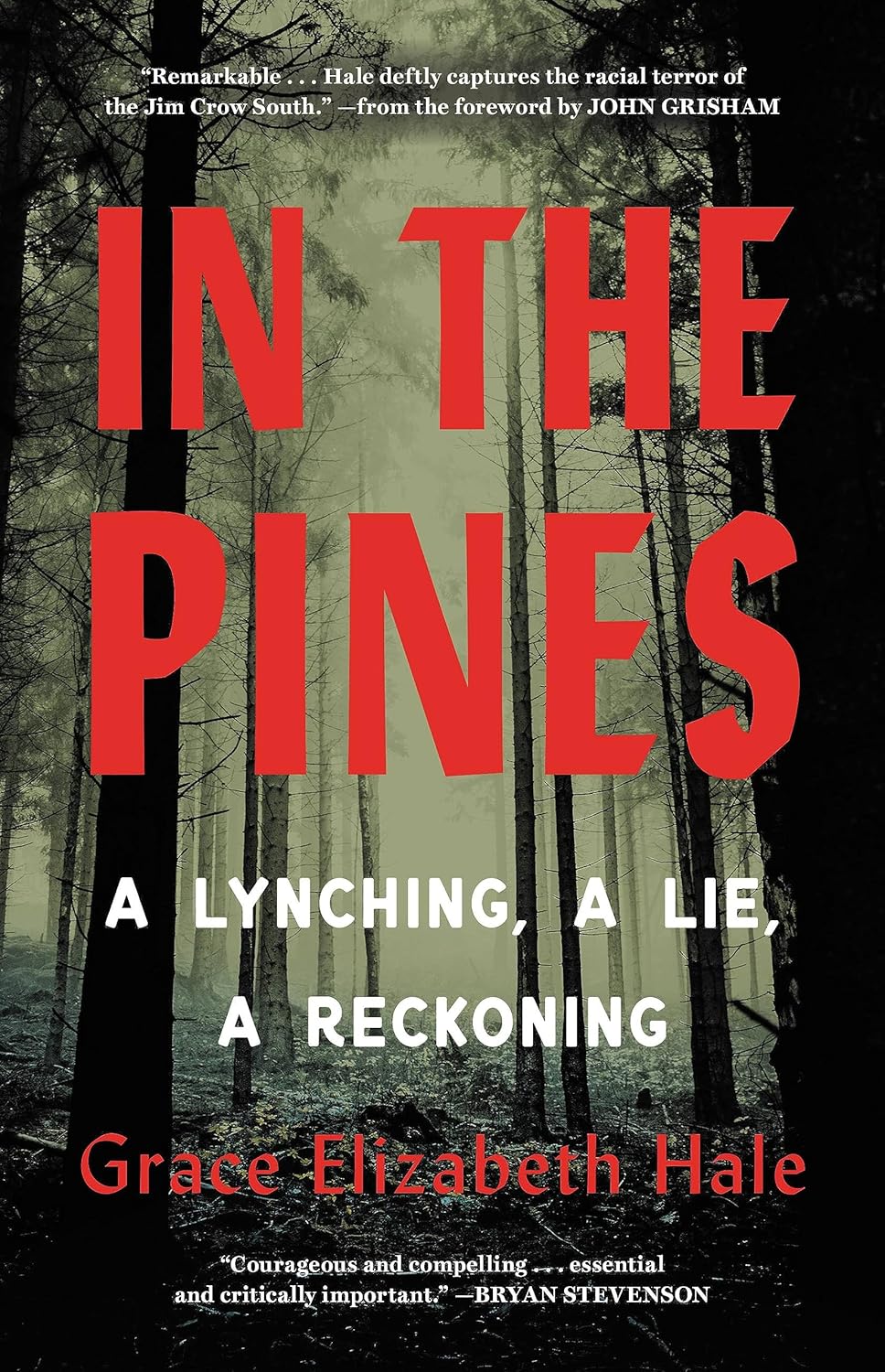
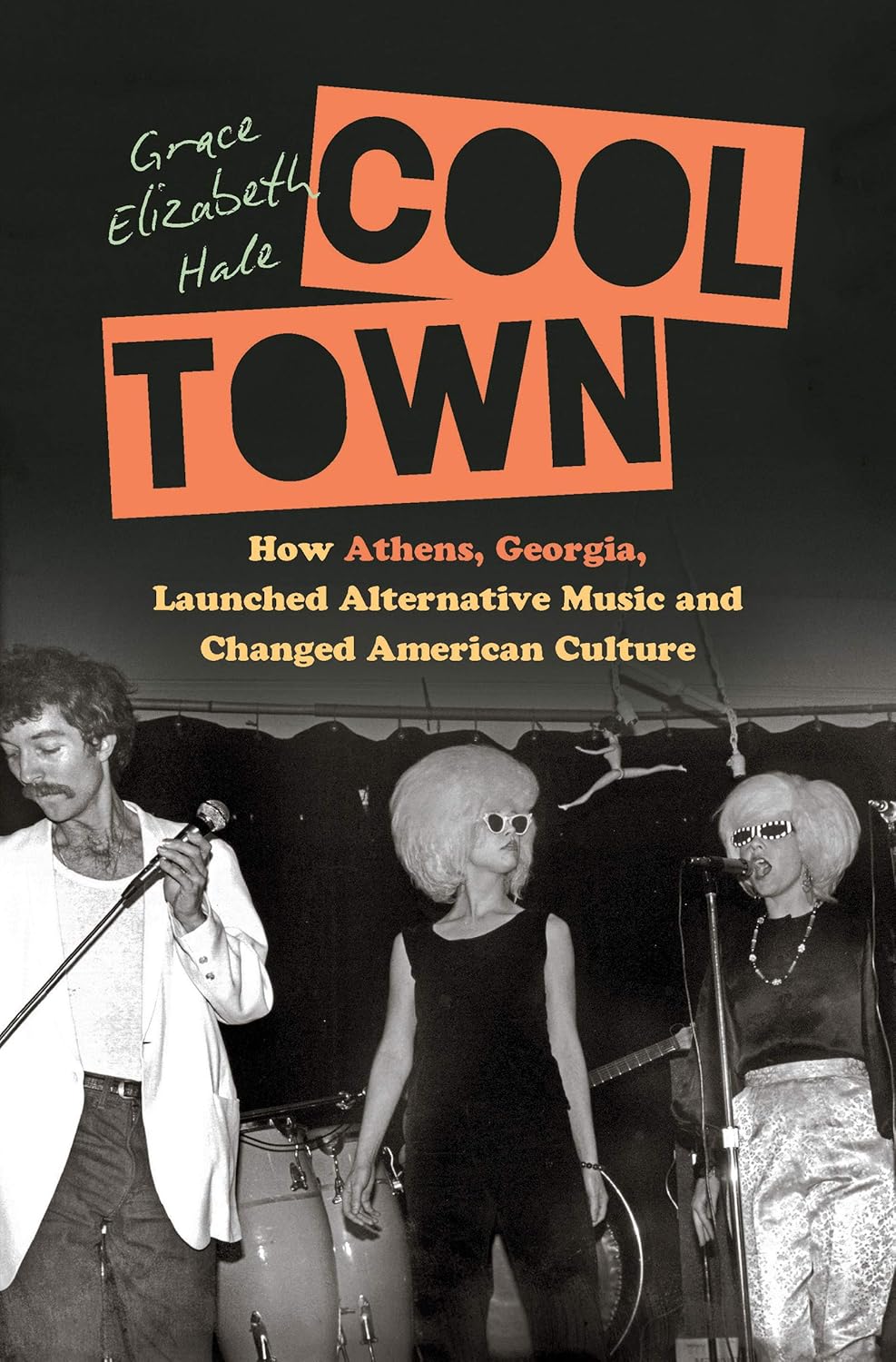
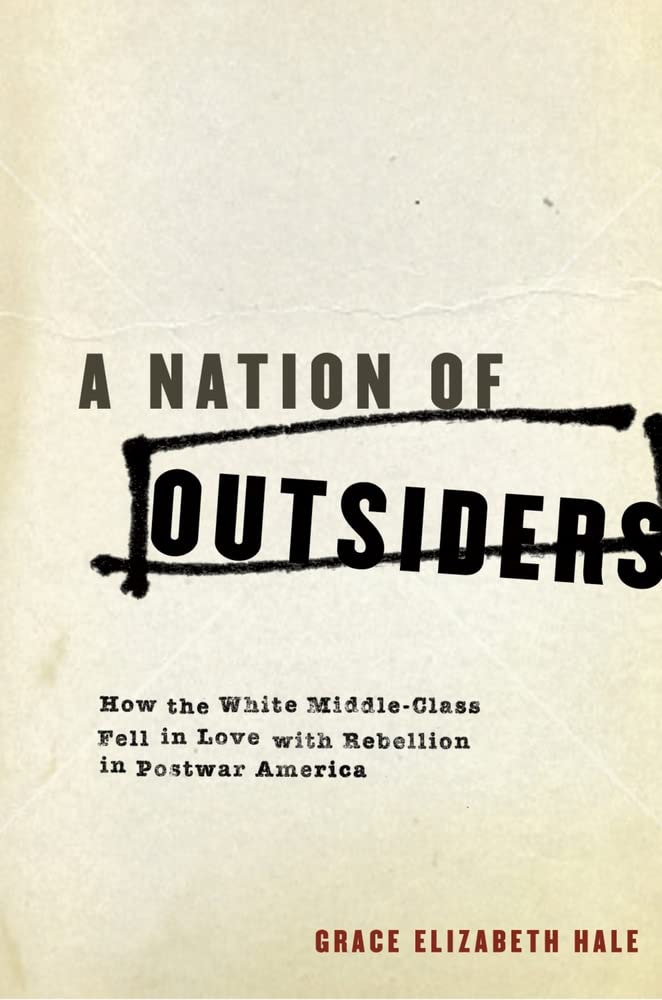
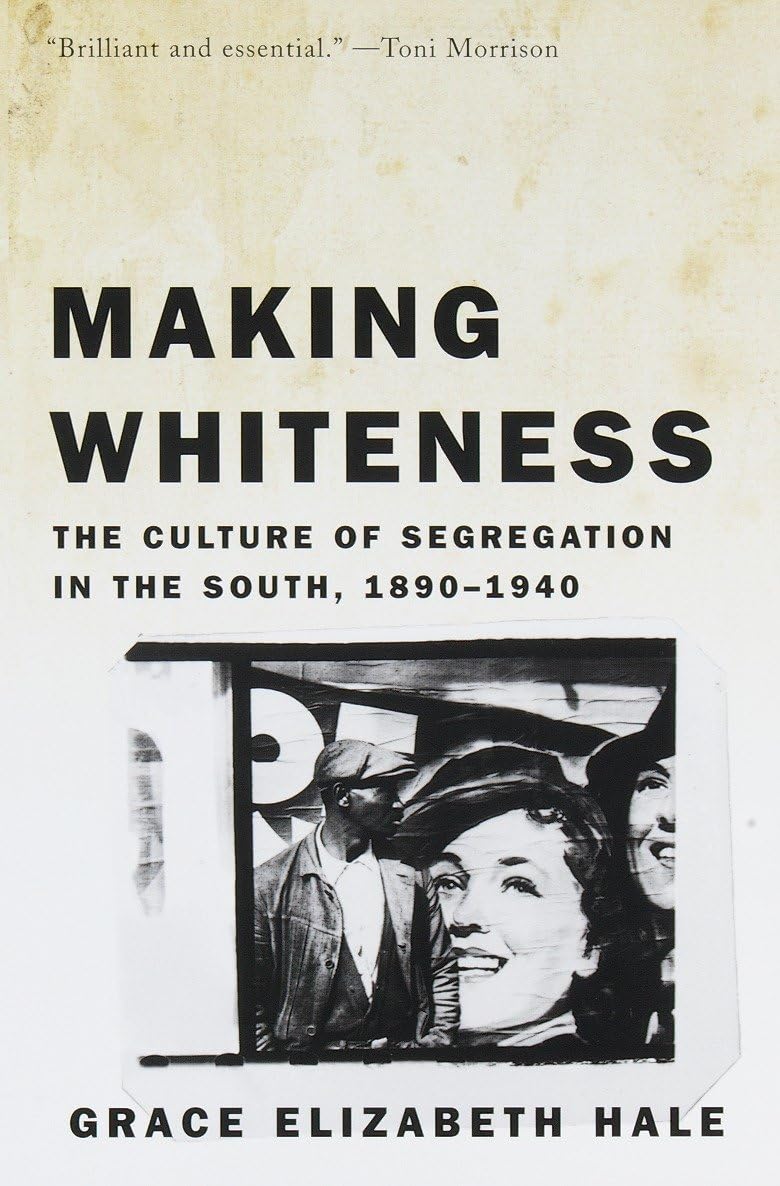
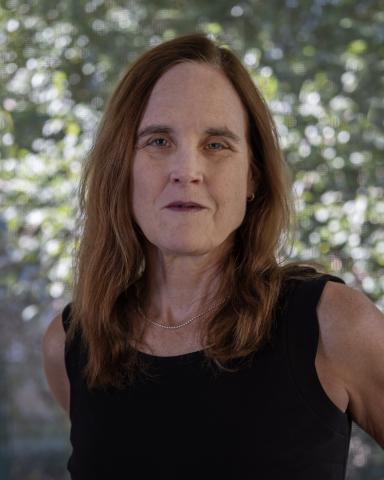
Grace Elizabeth Hale is the Commonwealth Professor of American Studies and History at the University of Virginia. An expert on twentieth-century America, she is the author of In the Pines: A Lynching, a Lie, a Reckoning (Little, Brown, 2023), Cool Town: How Athens, Georgia Launched Alternative Music and Changed American Culture (Ferris and Ferris, 2020), A Nation of Outsiders (Oxford University Press, 2011), and Making Whiteness: The Culture of Segregation in the South (Vintage, 1999). She has written for the New York Times, Washington Post, Slate, and CNN.
Selected Works