Need Is Need
The project:
Need Is Need is a reckoning with the crisis in public care, told through a year the author spent working in East London’s extra-sheltered housing facilities during the pandemic’s aftermath. Through a daisy chain of intimate portraits—of residents, carers, the dying—it explores how race, class, and policy intersect in the daily lives of those abandoned by the state. Blending memoir, reportage, and historical inquiry, the book challenges the ideological boundaries between health and care, dependence and dignity, and asks what it would mean to truly value a life.
From Need Is Need:
A week later, things had got worse. Grace didn’t come down much. She was in bed most of the time. Not feeling too clever, she said. The hardest thing was the lack of sleep. It was in her throat now. She was in pain all the time.
I sat next to Grace and carefully put her glasses on over her ears. She held her eyes shut while I did it. Her hair was matted with sweat. She could just about hold up a slim paperback but didn’t have the strength to turn the pages. I should get some sleep anyway, she said. I didn’t catch a wink last night.
Grace was exhausted, but I had the feeling I could have included her in activities with more support. I thought about the lives Grace and her sisters had led as children on the Isle of Dogs—running amok, part of so many other families—and how diminished her life must seem now, sleepless and alone in the care home. I needed to go. There was a quiz to run. But if I left, no one else would sit with Grace. Several carers had left recently, so Diana had little time to stop and talk. Grace’s remaining family also had their own health problems; her daughter was living in a care home in south London.
Thank you dear, she said, as I took the book back from Grace and put it on the table, then switched off her lamp. I hope you can sleep.
~
It was the day of the Queen’s funeral. I went upstairs to check on Grace. She was half awake when I walked in. I said my name a couple of times but kept on having to re-introduce myself. It’s me, I said.
Grace was both confused and pleased. She said she wasn’t well. It’s ok, I said. I held her hand and sat with her. She looked towards the TV. The funeral procession was leaving Buckingham Palace. I couldn’t tell if Grace was following it. In the afternoon sun, she had transformed into a different but totally beautiful creature. Crepe-soft skin, wisps of light hair, tiny bristles on her chin, one eye gummed shut, the other glowing like a crystal. I squeezed her hand. Something happens to you. You get through it, you laugh at it.
Grace was bedbound now, nodding in and out of sleep. The one o’clock news was blaring on the TV. Diana was bustling in the kitchen. Just go in, she said, Gracie’s wide awake. But Grace was barely there. It was hot and sticky. She was lying in bed with a thick sheet pulled up to her chin. I could just about make out the silhouette of her body underneath.
Hello Grace, I said. I put a hand on her shoulder. Her eyes were full of dirt. Her skin was so soft it looked like it would crumple in the wind. I thought of you this morning, she said. It’s good to see you. I asked if she wanted me to read her something. Grace couldn’t understand what I was saying. I want to die, she said, and drifted back to sleep.
I got the Wordsworth daffodils poem up on my phone, and as soon as I said the first line out loud—‘I wondered lonely as a cloud’—she was speaking it with me, her eyes closed like she was dreaming it: ‘That floats on high o’er vales and hills, / When all at once I saw a crowd, / A host, of golden daffodils.’ She fell quiet in the middle section. I thought she might have gone to sleep again, but then she jerked back awake and joined in for the ending: ‘They flash upon that inward eye / Which is the bliss of solitude; / And then my heart with pleasure fills, / And dances with the daffodils.’ I put my hand on her shoulder and left as quietly as I could.
The grant jury: Will Harris’s Need Is Need focuses on East London’s sheltered housing, offering a humanized perspective on systemic neglect. Through intimate storytelling, the book amplifies the voices of marginalized care residents, blending personal experience with socio-political analysis. Harris’s crystalline prose paints a thoughtful, multi-layered portrait of caregivers and those they serve. It’s a quiet, deeply felt account that immerses readers in the everyday struggles of the marginalized and overlooked. The narrative highlights the growing, unseen populations of lonely and neglected individuals, shedding light on a vital but often ignored aspect of public care.
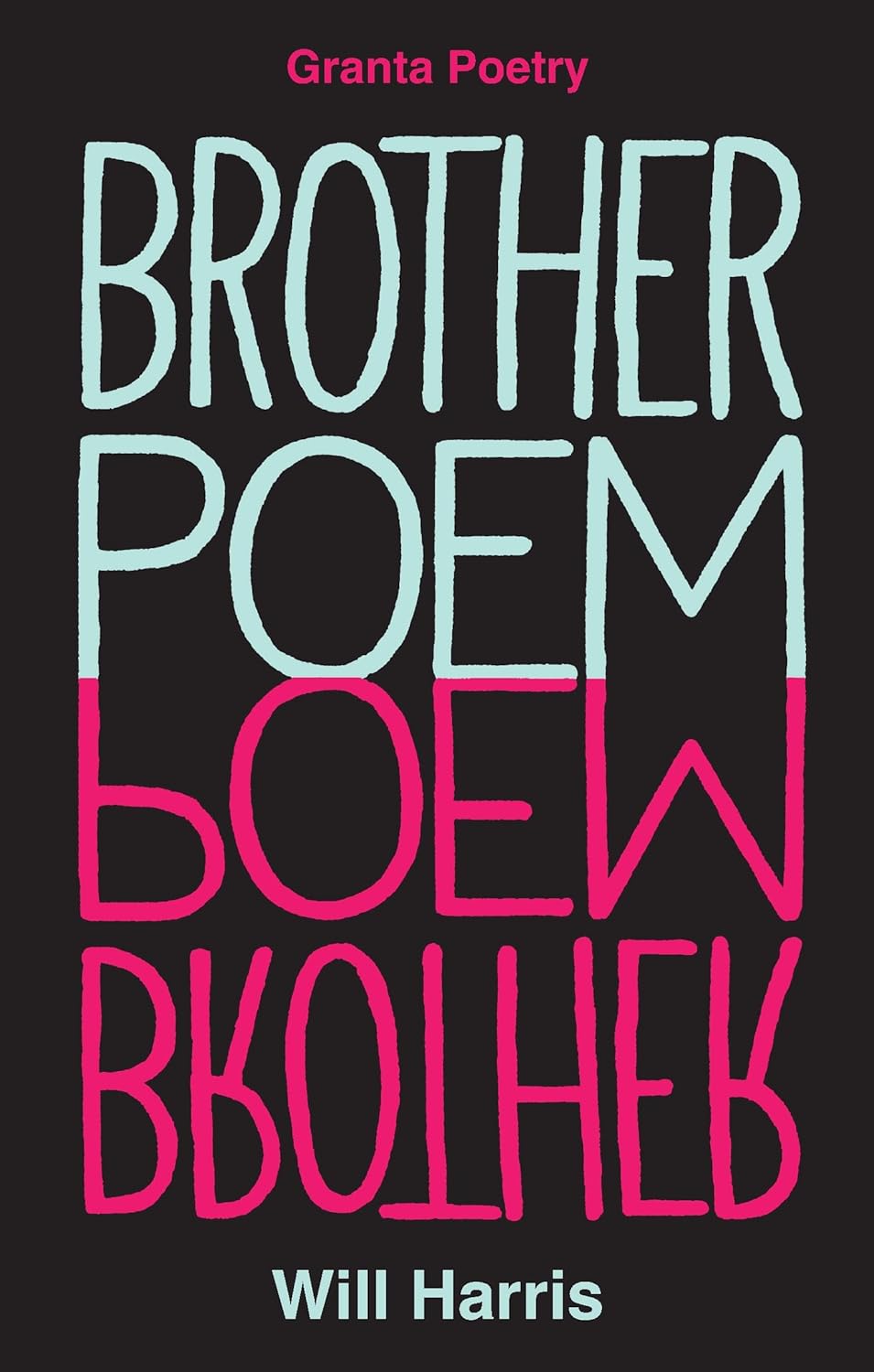
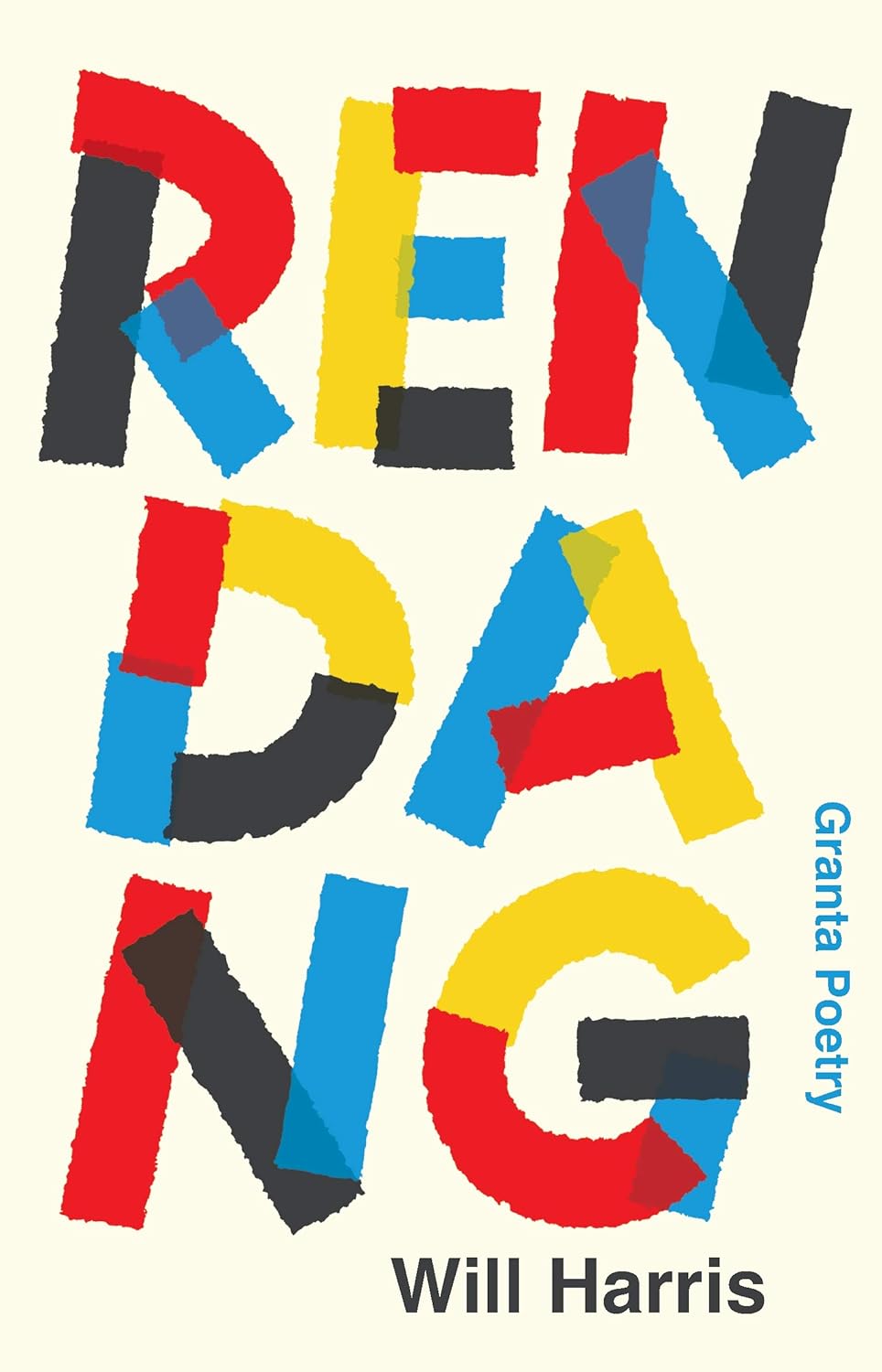
Will Harris is a poet and writer from London. He is the author of RENDANG (2020) and Brother Poem (2023), both published by Granta in the UK and Wesleyan in the United States. He won the Forward Prize for Best First Collection and has been shortlisted for the T. S. Eliot Prize, among other awards. He co-translated Habib Tengour’s Consolatio (Poetry Translation Centre) with Delaina Haslam in 2022, and he co-facilitates the Southbank Centre’s New Poets Collective with Vanessa Kisuule. His work has been published in the London Review of Books, New York Review of Books, Basket, New Republic, and Granta. He has held fellowships at the University of Manchester and Columbia University’s Institute for Ideas & Imagination.
Selected Works