The Distance Cure
A History of Teletherapy
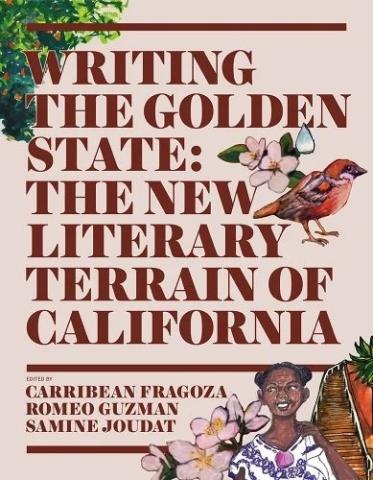
Writing the Golden State: The New Literary Terrain of California explores California through twenty-five essays that look beyond the clichés of the "California Dream," portraying a state that is deviant and recalcitrant, proud and humble, joyful and communal. It is a California that reclaims the beauty of the unwanted, the quotidian, and the out-of-place. Collectively, the essays demonstrate how individuals and towns have weathered some of the social, political, and economic changes of the twentieth and twenty-first centuries.
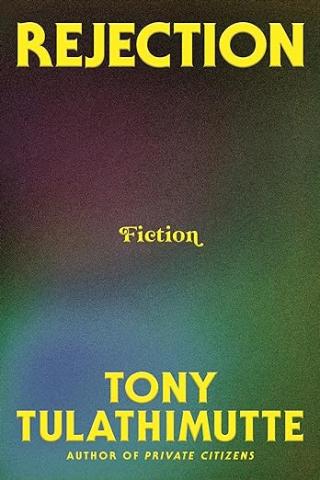
Sharply observant and outrageously funny, Rejection is a provocative plunge into the touchiest problems of modern life. The seven connected stories seamlessly transition between the personal crises of a complex ensemble and the comic tragedies of sex, relationships, identity, and the internet.
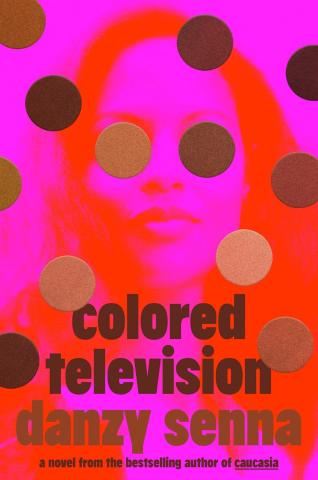
Jane has high hopes that her life is about to turn around. After a long, precarious stretch bouncing among sketchy rentals and sublets, she and her family are living in luxury for a year, house-sitting in the hills above Los Angeles. The gig magically coincides with Jane’s sabbatical, giving her the time and space she needs to finish her second novel—a centuries-spanning epic. But things don’t work out quite as hoped. Desperate for a plan B, like countless writers before her Jane turns her gaze to Hollywood. When she finagles a meeting with Hampton Ford, a hot producer with a major development deal at a streaming network, he seems excited to work with a “real writer,” and together they begin to develop “the Jackie Robinson of biracial comedies.” Things finally seem to be going right for Jane—until they go terribly wrong.
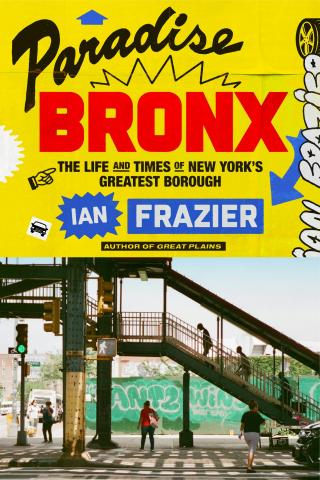
For the past fifteen years, Ian Frazier has been walking the Bronx. Paradise Bronx reveals the amazingly rich and tumultuous history of this amazingly various piece of our greatest city. From Jonas Bronck, who bought land from the local Native Americans, to the formerly gang-wracked South Bronx that gave birth to hip-hop, Frazier’s loving exploration is a moving tour de force about the polyglot culture that is America today.
Audre Lorde’s understanding of survival was not simply about getting through to the other side of oppression or being resilient in the face of cancer. It was about the total stakes of what it means to be in relationship with a planet in transformation. Possibly the focus on Lorde’s quotable essays, to the neglect of her complex poems, has led us to ignore her deep engagement with the natural world, the planetary dynamics of geology, meteorology, and biology. For her, ecological images are not simply metaphors but rather literal guides to how to be of earth on earth, and how to survive―to live the ethics that a Black feminist lesbian warrior poetics demands. In Survival Is a Promise, Alexis Pauline Gumbs, the first researcher to explore the full depths of Lorde’s manuscript archives, illuminates the eternal life of Lorde.