WHITING WHITING WHITING WHITING WHITING
  • Foundation ▼ ▲
    • Home
    • People
    • History
    • Contact
  • Literature ▼ ▲
    • Whiting Award
      • About
      • Current Winners
      • Browse Winners
      • Search All Winners
      • Keynotes
    • Nonfiction Grant
      • About
      • Grantees
    • Magazine Prizes
      • About
      • Winners
    • Discover Writing
      • New Books
      • Chapbooks
      • Videos
      • Random Winner
  • Humanities ▼ ▲
    • Preserving Heritage
    • High Schools
    • Past Programs
      • About
      • PEP Fellows
      • PEP Seed Grantees
      • Dissertation Fellows
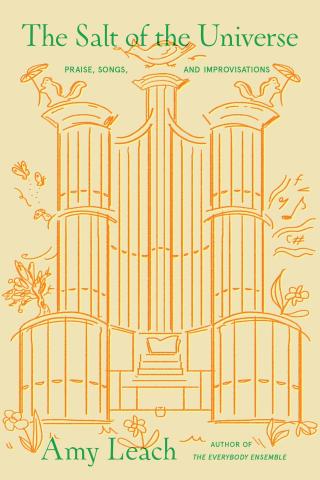
The Salt of the Universe
Praise, Songs, and Improvisations

Where does freedom live? Why does it sometimes feel so good to be told what to do? What on heaven and earth is an apicklypse? The Salt of the Universe raises these and other questions arising from Amy Leach’s experience, including her time playing fiddle and her childhood in the Seventh-day Adventist Church, with its many prohibitions (coffee, dancing) and its emphasis on the apocalypse. The book argues against argument, but most of all against fundamentalisms of all kinds and their limiting effect on our humanity.
  • Print Books
  • Bookshop
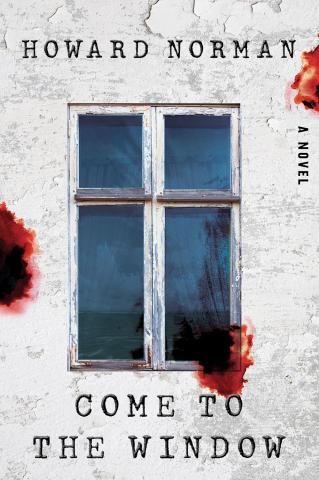
Come to the Window
A Novel

It’s 1918. In the small fishing village of Parrsboro, Nova Scotia, Elizabeth Frame murders her husband hours after their wedding and thrusts the revolver into the blowhole of a beached whale. Crime reporter Toby Havenshaw is dispatched by the Halifax Evening Mail to cover the hearing, and his diary subsequently follows the surprising twists and turns of Elizabeth Frame’s flight from the law, accompanied as she is by a love-besotted court stenographer. But Toby’s diary also paints a vivid and deeply affecting portrait of his marriage to Amelia, a surgeon just returned from the front lines in France and Belgium. When a child is born to Elizabeth Frame on the lam, Amelia is drawn into events in ways she could never have imagined. And then everything changes.

  • Print Books
  • Bookshop
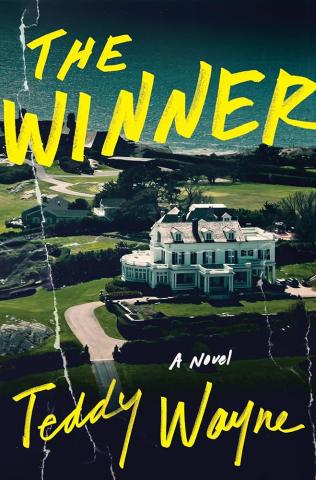
The Winner
A Novel

Conor O’Toole has never been anywhere as casually glamorous as Cutters Neck, a gated community near Cape Cod. It’s a sweet deal for the summer: free lodging in a guest cottage in exchange for tennis lessons. In this oceanfront paradise, however, new clients prove hard to come by, and Conor has bills to pay. Then a sharp-tongued divorcée appears, offering him double his usual rate. Soon he realizes Catherine is expecting additional, off-the-court services for her money, and Conor tumbles into a secret erotic affair unlike anything he’s experienced before. Despite his steamy flings with a woman twice his age, he simultaneously finds himself falling for the artsy, outspoken girl he met on the beach. Conor somehow finds a way to manage this tangled web—until he makes one final, irreversible mistake.

  • Print Books
  • Bookshop
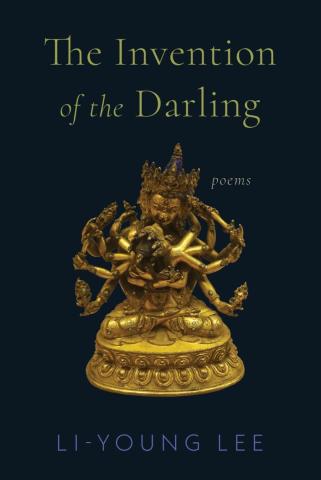
The Invention of the Darling
Poems

Each poem in The Invention of the Darling is a mysterious conjunction of spirit and matter, movement and stillness, the divine and the mundane, the sacred and the forbidden. They yearn for holistic union with The Beloved, every sentence another name for The Beloved, every poem another way to say “I love you.” Forged in awe of life and love, these poems emerge from the unlit depths of our earthly, material desires and our deepest fears of mortality.

  • Print Books
  • Bookshop
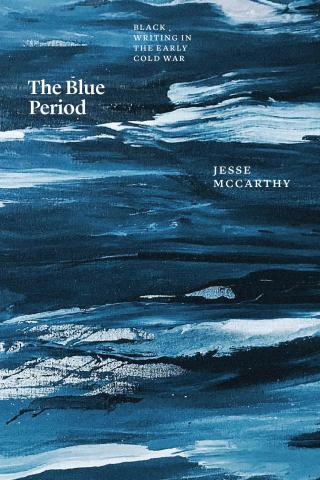
The Blue Period
Black Writing in the Early Cold War

McCarthy's latest addresses the political and aesthetic evolution of African American literature and its authors during the Cold War, an era McCarthy calls “the Blue Period.” In McCarthy’s hands, this notion of the Blue Period provides a fresh critical framework that challenges long-held disciplinary and archival assumptions. Black writers in the early Cold War went underground, McCarthy argues, not to depoliticize or liberalize their work, but to make it more radical—keeping alive affective commitments for a future time.

  • Print Books
  • Bookshop
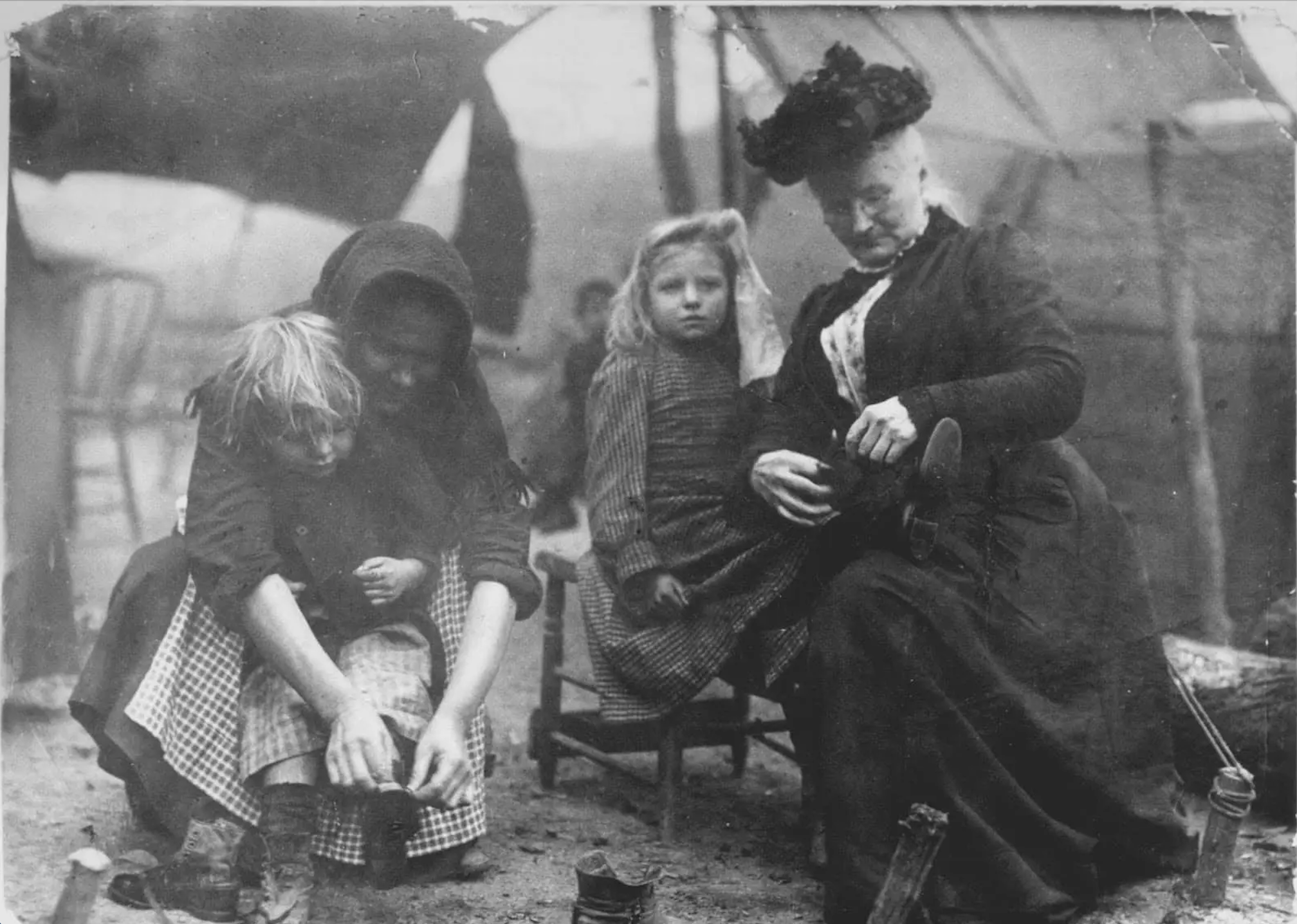
Mary and the Monsters
  • Print Books
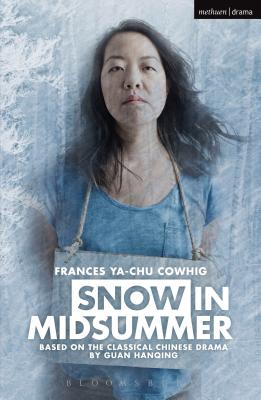
Snow in Midsummer

As she is about to be executed for a murder she didn't commit, young widow Dou Yi vows that, if she is innocent, snow will fall in midsummer and a catastrophic drought will strike.

Three years later, a businesswoman visits the parched, locust-plagued town to take over an ailing factory. When her young daughter is tormented by an angry ghost, the new factory owner must expose the injustices Dou Yi suffered before the curse destroys every living thing.

Bookshop
Premiere Year
2017
Premiere Theater
Swan Theatre
Premiere City
Stratford-upon-Avon, England
Premiere Creative

Cast: Katie Leung, Wendy Kweh, Sarah Lam; Director: Justin Audibert

  • Print Books
  • Bookshop
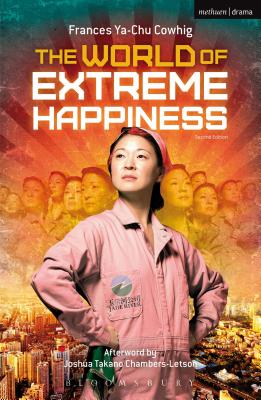
The World of Extreme Happiness

When Sunny is born in rural China, her parents leave her in a slop bucket to die because she's a girl. She survives, and at 14 leaves for the city, where she works a low-paying factory job and attends self-help classes to improve her chances at securing a coveted office position. When Sunny's attempts to pull herself out of poverty lead to dire consequences for a fellow worker, she is forced to question the system she's spent her life trying to master - and stand up against the powers that be.

Bookshop
Premiere Year
2014
Premiere Theater
Goodman Theatre
Premiere City
Chicago, IL
Premiere Creative

Cast: Jo Mei, Jennifer Lim, Ruy Iskandar; Director: Eric Ting

  • Print Books
  • Bookshop
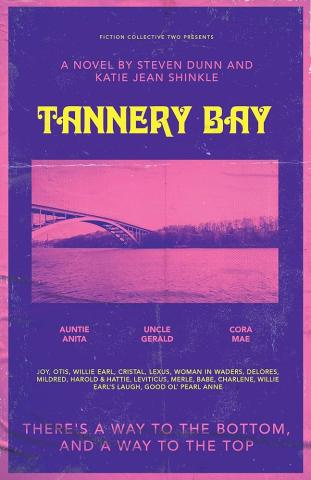
Tannery Bay

Enter a world where time stands still and summer never ends. In the enchanted town of Tannery Bay, it’s July 37, and then July 2 again, but the year is a mystery. Trapped in an eternal loop, the residents embark on an extraordinary journey of self-discovery, unity, and defiance against the forces that seek to divide them.

  • Print Books
  • Bookshop
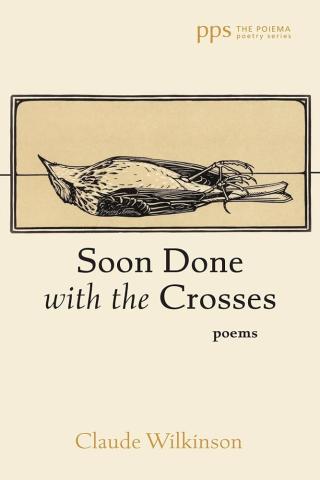
Soon Done with the Crosses
Poems

Two excerpts from spirituals, offered as epigraphs, foreshadow themes in Soon Done with the Crosses. The first song, “One of These Days,” suggests inevitable burdens that all of us must bear at some point, while the second song, “Do Lord,” supposes a glorious reward for those who faithfully endure. The poems in this book form a catalog of varied trials—both historical and contemporary—drawn from art, imaginings, the natural world, and aspects of the human condition, coupled with questions about eternity. Though while the collection begins with pleas for some bright assurance, it concludes in yet another vigil through dark, lonely hours, longing for morning’s clarifying light.

  • Print Books
  • Bookshop

Pagination

  • Previous page ‹‹
  • Page 4
  • Next page ››
Subscribe to M

Sitemap Menu

  • Foundation
    • Home
    • People
    • History
    • Contact
  • Literature
    • Whiting Award
    • Nonfiction Grant
    • Magazine Prizes
    • Discover Writing
  • Humanities
    • Preserving Heritage
    • High Schools
    • Past Programs


  • Accessibility Notice Accessibility Notice
  • PRIVACY & TERMS
  • © WHITING FOUNDATION
  •  
Site by PASTPRESENTFUTURE, with design by Language Arts