WHITING WHITING WHITING WHITING WHITING
  • Foundation ▼ ▲
    • Home
    • People
    • History
    • Contact
  • Literature ▼ ▲
    • Whiting Award
      • About
      • Current Winners
      • Browse Winners
      • Search All Winners
      • Keynotes
    • Nonfiction Grant
      • About
      • Grantees
    • Magazine Prizes
      • About
      • Winners
    • Discover Writing
      • New Books
      • Chapbooks
      • Videos
      • Random Winner
  • Humanities ▼ ▲
    • Preserving Heritage
    • High Schools
    • Past Programs
      • About
      • PEP Fellows
      • PEP Seed Grantees
      • Dissertation Fellows
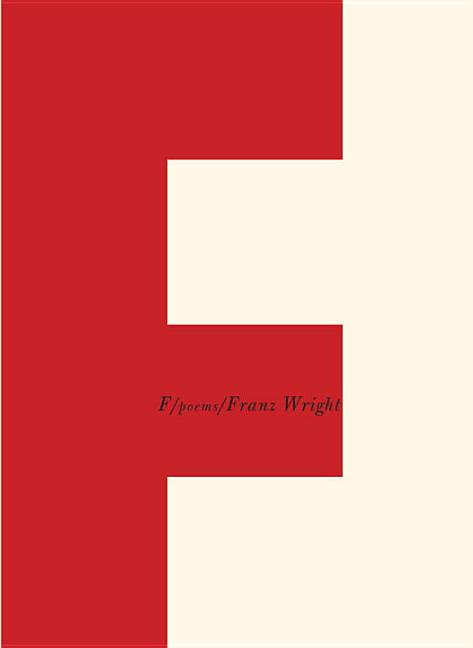
F
Poems

In these riveting poems, Wright declares, “I’ve said all that / I had to say. / In writing. / I signed my name. / It’s death’s move.” As he considers his mortality, the poet finds a new elation and clarity on the page, handing over for our examination the flawed yet kneeling-in-gratitude self he has become. F stands both for Franz, the poet-speaker who represents all of us on our baffling lifelong journeys, and for the alphabet, the utility and sometimes brutality of our symbols. (It may be, he jokes grimly, his “grade in life.”) From “Entries of the Cell,” the long central poem that details the loneliness of the single soul, to short narrative prose poems and traditional lyrics, Wright revels in the compensatory power of language, observing the daytime headlights following a hearse, or the wind, “blessing one by one the unlighted buds of the backbent peach tree’s unnoted return.” He is at his best in this beautiful and startling collection.
  • Print Books
  • Find your local bookstore (via IndieBound)
  • Powell's
  • Barnes & Noble
  • Alibris
  • Abe Books
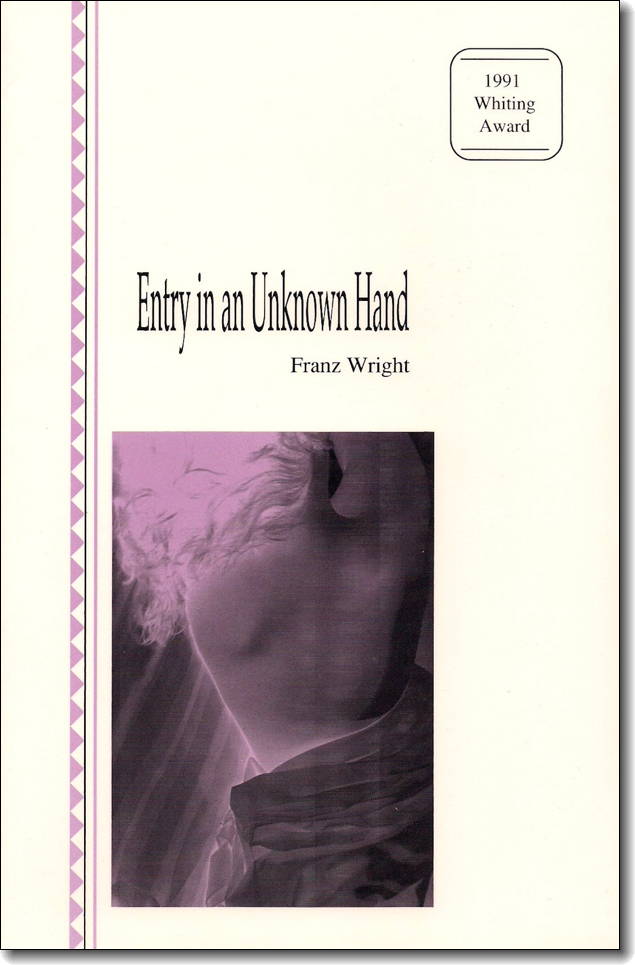
Entry in an Unknown Hand
Poems

A collection of poetry by Franz Wright, his first major work from a large university press (Carnegie Mellon).

"These poems break me, they're like tiny jewels shaped by blunt, ruined fingers—miraculous gifts." —Denis Johnson

  • Print Books
  • Find your local bookstore (via IndieBound)
  • Powell's
  • Barnes & Noble
  • Alibris
  • Abe Books
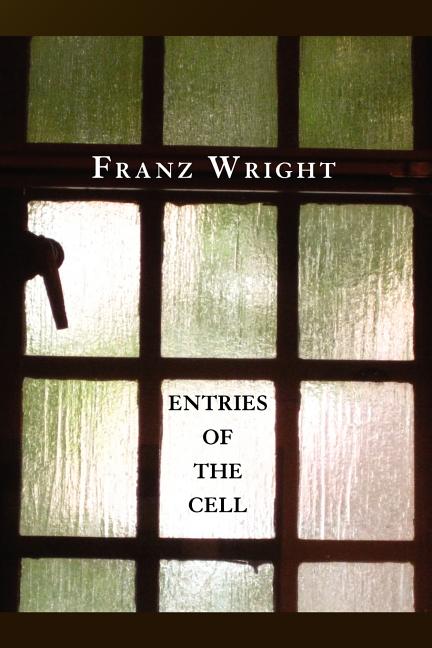
Entries of the Cell
Poems

Entries of the Cell is some of Franz Wright's best writing in years. "The cell will teach you all things" is a saying of some early Christians who, in the third century, bewildered to find that no matter what they did and no matter how powerful their faith, the new world they dreamed of far too closely resembled the irreparably corrupt old world. Their remedy to this dilemma was to withdraw from the cities of their time into the desolate solitude in which they found God's presence perpetually closer and more available to them. The saying has been adopted by the Society of the Brotherhood of St. John the Evangelist where, at their Cambridge branch, T. S. Eliot attended services while teaching at Harvard in the thirties. Dedicated to Franz Wright's friend Palestinian poet Fady Joudah—good husband, dad, emergency room MD in Houston and American translator of Mahmoud Darwish—the book is a single poem. Its title is meant to suggest all kinds of cells—body, jail, but primarily the cell in the sense of the small functional bare room in which a monk prays, studies and sleeps.

  • Print Books
  • Find your local bookstore (via IndieBound)
  • Powell's
  • Barnes & Noble
  • Alibris
  • Abe Books
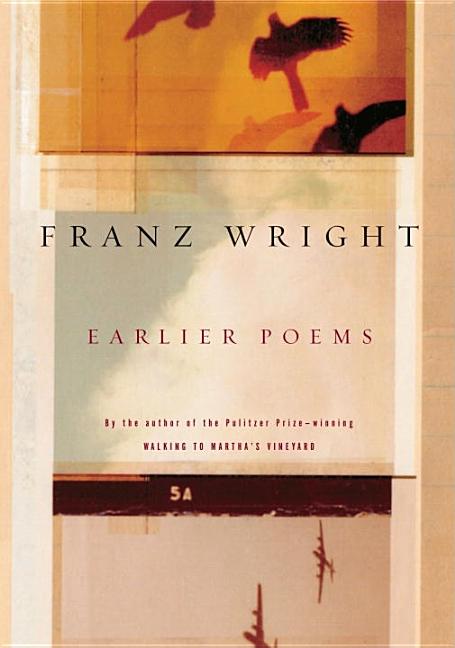
Earlier Poems

The haunting collection of poems gathers the first four books of Pulitzer winner Franz Wright under one cover, where “fans old and new will find a feast amid famine” (Publishers Weekly), and discover how large this poet’s gift was from the start.

  • Print Books
  • Find your local bookstore (via IndieBound)
  • Powell's
  • Barnes & Noble
  • Alibris
  • Abe Books
8 Poems

A 1981 collection.

  • Print Books
  • Find your local bookstore (via IndieBound)
  • Alibris
  • Abe Books
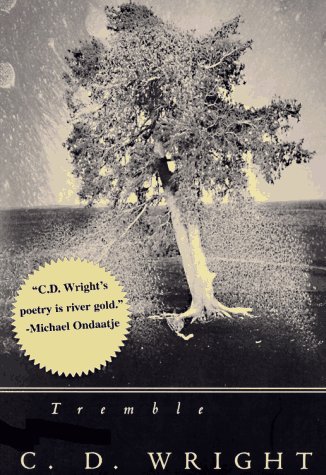
Tremble
Poems

In this, her eighth collection of poems, C.D. Wright endeavors to penetrate the retina of fears that incessantly convene to blunt the vision required of us. While the poet sustains no delusions about achieving equilibrium outright, she nevertheless meticulously undertakes to construct an intimate, adamantine presence out of psychic peril. The vernacular architecture of Wright's poems continues to dispute the authorities, high and low, over means and measures of poetic production and presentation. With instruments no more exalted than "Just this water glass" and "this untunable spoon" she brings a bracing, idiosyncratic light into every frame. In Tremble, urban and rural sensibilities commingle in an ethical imagination to convoy the reader into unexpectedly moving experiences of perception. Throughout, as she says, "The left hand keeps it focused."

  • Print Books
  • Find your local bookstore (via IndieBound)
  • Powell's
  • Barnes & Noble
  • Alibris
  • Abe Books
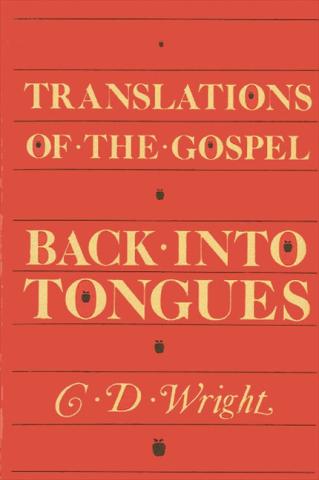
Translation of the Gospel Back into Tongues
Poems

“CD Wright’s is a poetry of  Southern mountain vision brought to the streets in a language of brilliant synaesthesia, colloquial warmth and laconic wit. These are unpredictable poems of jazz, dreams, domestic violence and ‘what is written on mirrors in Louisville.’ The territory is uniquely Wright’s, but borders that of James Agee and Diane Arbus: common, strange and filled with risk. Throughout these poems there is a saxophone playing and a poignant voice making sense.” —Carolyn Forché

“Images rise from these poems like startled birds flushed from the field. What we have is the courage of a writer with and against the sad voices, and that original language of a faith in faith. This is the fluent reverie, a long drug of feeling, taking us to places and things seen clearly and with grace.” —Norman Dubie

“The dramatic and emotional vitality of CD Wright’s language, the authenticity and daring of her tone and speech, make her poems, one after the other, surprising, outrageous, exciting, moving, funny. She incorporates naturally the bitterness, loneliness and humor of the world and tradition of the blues—passionate, disappointed, violent, awry. Her voice and her talent are genuine and unmistakable. They give heart.” —W. S. Merwin

  • Print Books
  • Find your local bookstore (via IndieBound)
  • Powell's
  • Barnes & Noble
  • Alibris
  • Abe Books
  • SUNY Press
Terrorism
Poems

Wright's second collection.

  • Print Books
  • Find your local bookstore (via IndieBound)
  • Powell's
  • Barnes & Noble
  • Alibris
  • Abe Books
  • Babcock Books
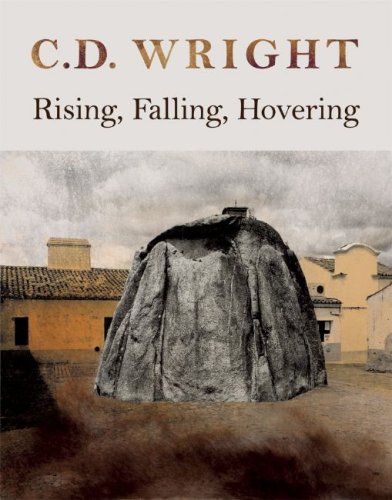
Rising, Falling, Hovering
Poems

Deeply personal and politically ferocious, Rising, Falling, Hovering addresses the commonly felt crises of our times—from illegal immigration and the specific consequences of empire-building to the challenges of parenting and the honesty required of human relationships.

  • Print Books
  • Find your local bookstore (via IndieBound)
  • Powell's
  • Barnes & Noble
  • Alibris
  • Abe Books
  • Copper Canyon Press
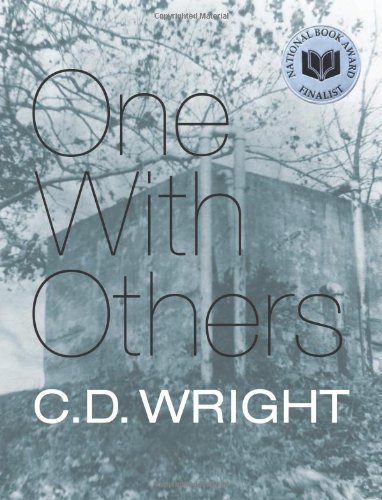
One With Others
[a little book of her days]

In this National Book Award finalist and National Book Critics Circle Award finalist, C.D. Wright returns to her native Arkansas and examines explosive incidents grounded in the Civil Rights Movement. In her signature style, Wright interweaves oral histories, hymns, lists, interviews, newspaper accounts, and personal memories—especially those of her incandescent mentor, Mrs. Vittitow—with the voices of witnesses, neighbors, police, and activists. This history leaps howling off the page.

  • Print Books
  • Find your local bookstore (via IndieBound)
  • Powell's
  • Barnes & Noble
  • Alibris
  • Abe Books
  • Copper Canyon Press

Pagination

  • Previous page ‹‹
  • Page 51
  • Next page ››
Subscribe to M

Sitemap Menu

  • Foundation
    • Home
    • People
    • History
    • Contact
  • Literature
    • Whiting Award
    • Nonfiction Grant
    • Magazine Prizes
    • Discover Writing
  • Humanities
    • Preserving Heritage
    • High Schools
    • Past Programs


  • Accessibility Notice Accessibility Notice
  • PRIVACY & TERMS
  • © WHITING FOUNDATION
  •  
Site by PASTPRESENTFUTURE, with design by Language Arts