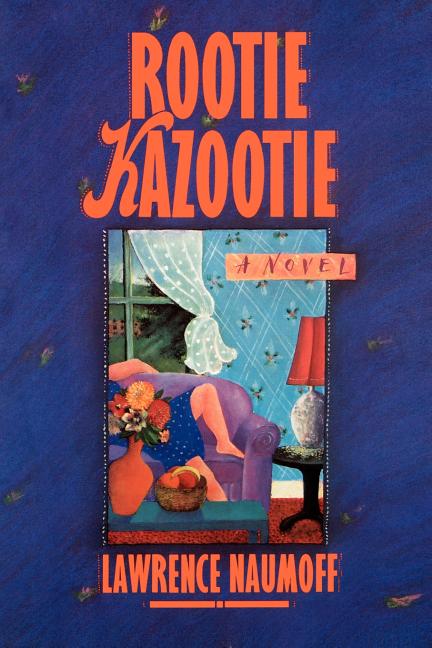
Richard's married to Caroline, but how long can he endure her constant chatter? When cool, calm Cynthia tempts Richard with sex, money, and peace and quiet, crazy Caroline goes on the warpath.
Rootie Kazootie was a children's television show in the early 1950s. The show was broadcast live from New York City on Saturday mornings. Rootie also appeared in comic books and Little Golden Books during that period. In this novel, the title refers to a character who shares Rootie's personality.
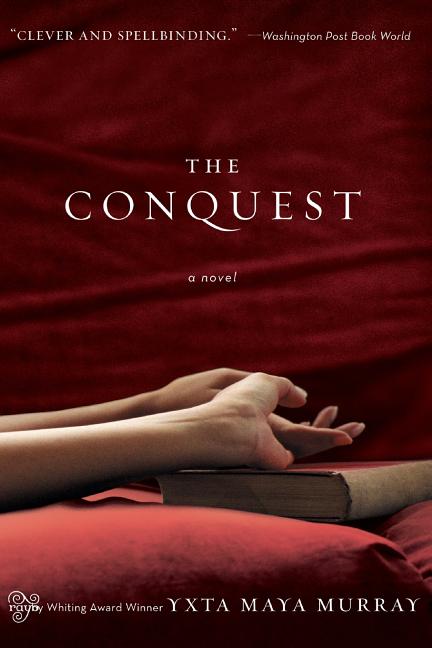
Sara Rosario Gonzáles is a restorer of rare books and manuscripts at the Getty Museum in Los Angeles. When Sara restores a sixteenth-century manuscript about an Aztec princess enslaved by Cortés and sent to Europe to entertain the pope and Emperor Charles V, she doesn't realize the power of the tale she's about to immerse herself into. The princess, we find, is determined to avenge the slaughter of her people, and Sara is determined to prove that the book, which caused scandal when first published, was written by the Aztec princess herself, and not the European monk reputed to have penned it. Entwined within Sara's fascination of the manuscript is Sara's own life: the frustration over her inability to commit to Karl, the man who has loved her since high school; the haunting wisdom of her departed mother; and the stability of a father who sees the world in a way Sara does not, both pragmatically and unyieldingly. The Conquest is a beautifully written novel that offers both hope that true love does exist and that history, in all its complexity, is what drives us all toward tomorrow.
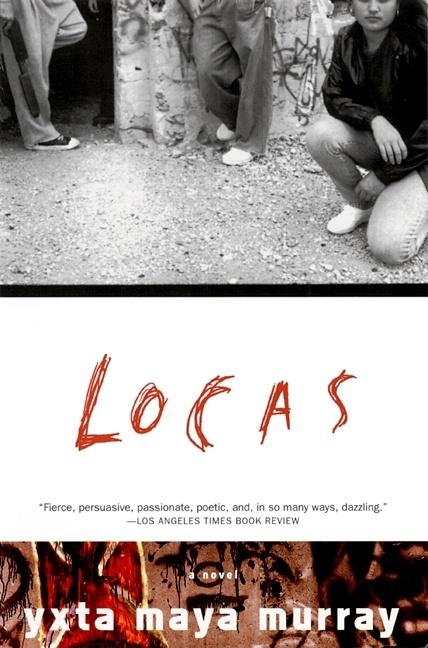
Locas tells a violent and poignant story set in the heart of the rough L.A. neighborhood Echo Park. Lucia and Cecilia are the girlfriend and sister of the rising young loco whose gun trade is about to explode into the big business of drugs. When their world starts to split apart under the vicious pressure of gang warfare, Lucia seizes her chance: she builds her own private cadre of Fire Girls and rises to become a gangster in her own right. Cecilia, devastated by a miscarried pregnancy and bittersweet love for another woman, leaves the gang for the Catholic church. Yxta Maya Murray has created a richly textured story from the tragedies of Lucia and Cecilia's loves, rages, and betrayals, never once avoiding the larger tragedy of their entrapment in a feudal and dangerous world. Equally beautiful and wrenching in its authenticity, Locas is a rhythmic, breathless and terrifyingly raw plunge into East L.A. gang life.
"In 24 brief, impressionistic tales, Murphy (Signed, Mata Hari) delivers an emotional wallop. The title story concerns a widow and her young son attempting to carry on after the suicide of the husband and father—and finding a watchful bear's presence near their house more protective than menacing. 'Pan, pan, pan,' one of the longer stories, is named for the urgency call emitted by a plane that crashes near a lake where a family of three along with the brother-in-law is vacationing. The narrator is the nervous wife, whose small son is enthralled both by the overbearing brother-in-law and by details of the plane crash. Some of the stories capture a vernacular quirkiness, such as 'Lester,' a stream-of-consciousness narrative by an angry urban dweller who's bitter that he'll never get to see the palm trees of Barbados, or the sky's constellations (the 'Big Zipper,' he calls one of them), for that matter. Similarly, in 'The Beauty in Bulls,' two men carry on a perpendicular conversation, one about bullfighting, the other about the rapturous body of a woman, that eventually dovetails into a testosterone-charged assertion of power and might." —Publishers Weekly
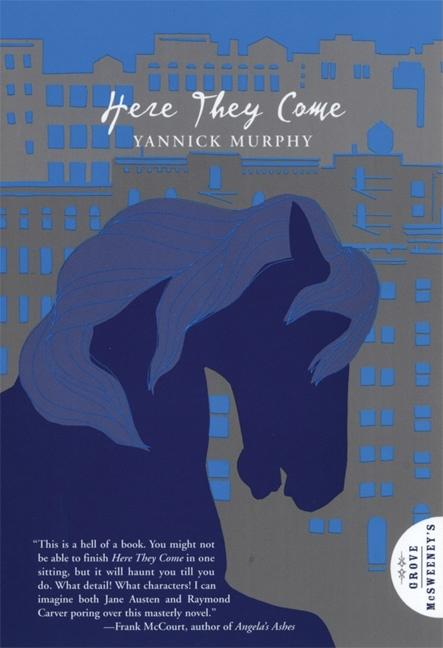
Here They Come is the lyrical, startling and poignant third novel from Yannick Murphy, a National Endowment for the Arts award winner and one of the freshest voices in American fiction today. Splitting time between a ramshackle apartment and a lonely hot dog vendor, the observant thirteen-year-old who stands steadily at the center of Here They Come gives lyrical voice to an unforgettable instant—1970s New York, stifling, violent and full of life. Balanced between her enigmatic siblings, detached parents, and a quiet sense of the surreal, she recounts a year of startling moments with dark humor and deadpan resilience.
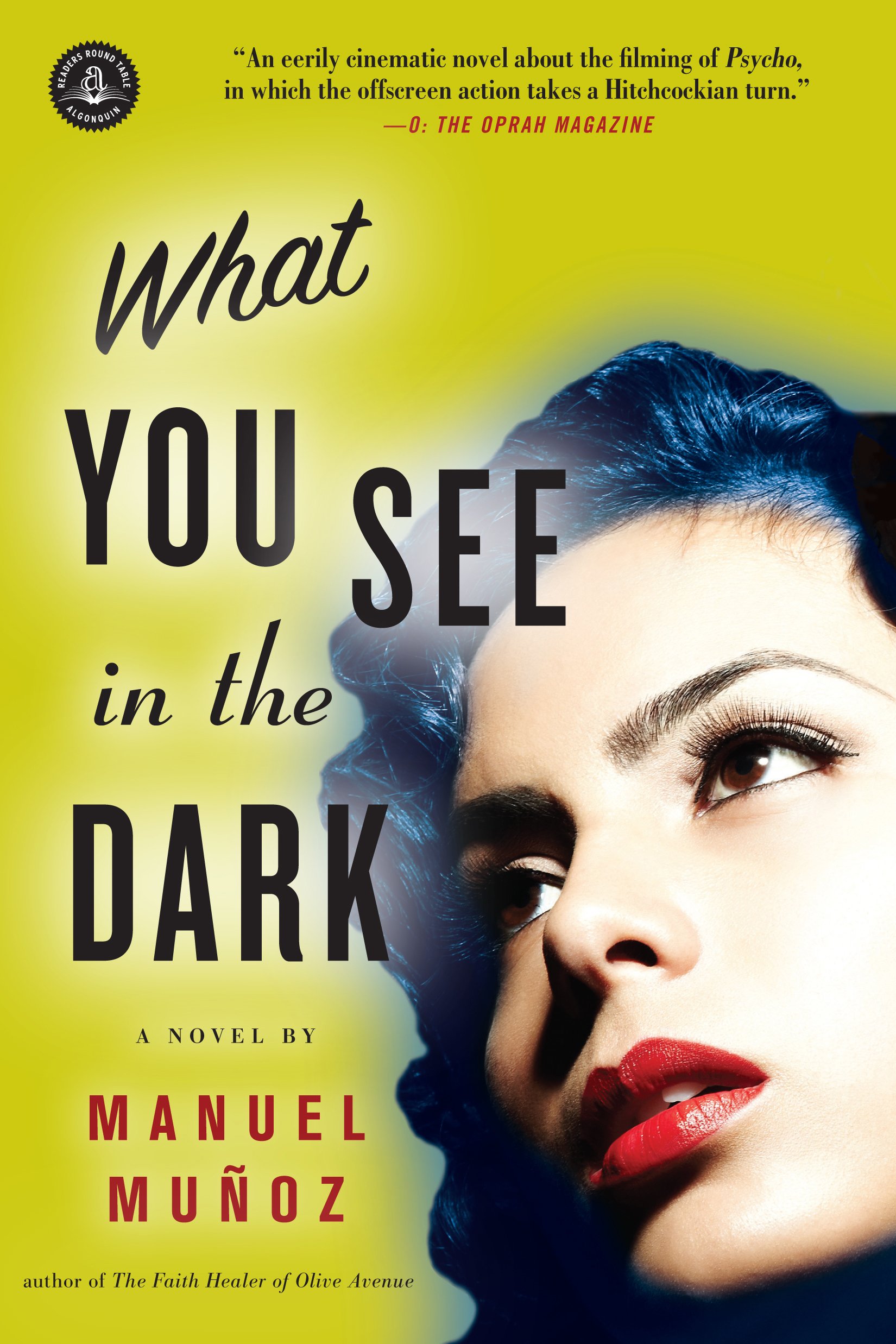
The long-awaited first novel by the award-winning author of two impressive story collections explores the sinister side of desire in Bakersfield, California, circa 1959, when a famous director arrives to scout locations for a film about madness and murder at a roadside motel. Unfolding in much the same way that Hitchcock made Psycho—frame by frame, in pans, zooms, and close-ups—Muñoz’s re-creation of a vanished era takes the reader into places no camera can go, venturing into the characters’ private thoughts, petty jealousies, and unrealized dreams. The result is a work of stunning originality.
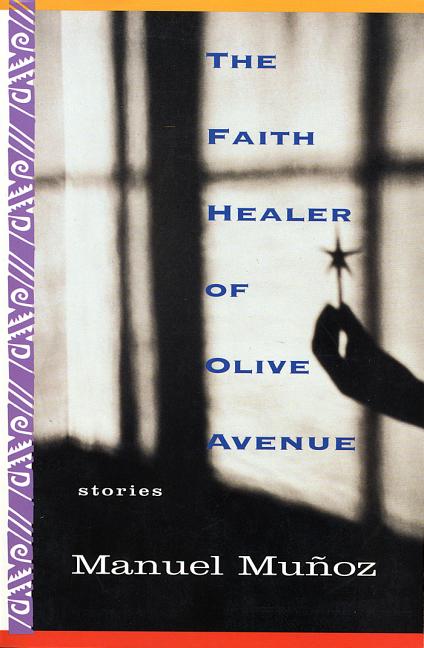
Manuel Muñoz's dazzling collection is set in a Mexican-American neighborhood in central California—a place where misunderstandings and secrets shape people's lives. From a set of triplets with three distinct fates to a father who places his hope—and life savings—in the hands of a faith healer, the characters in these stories cross paths in unexpected ways. As they do, they reveal a community that is both embracing and unforgiving, and they discover a truth about the nature of home: you always live with its history. Muñoz is an explosive new talent who joins the ranks of such acclaimed authors as Junot Díaz and Daniel Alarcón.
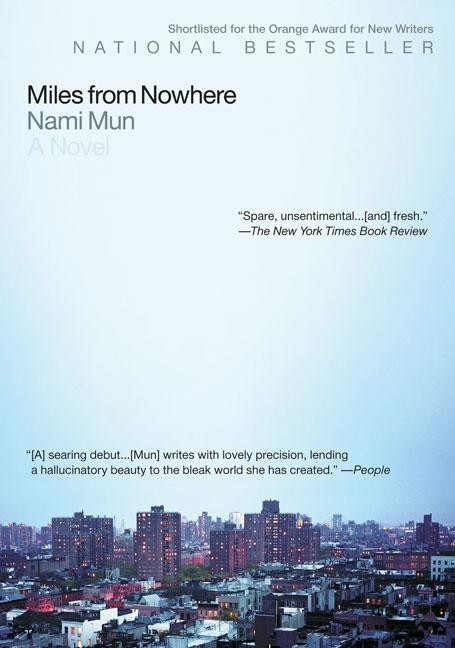
A major voice in fiction debuts with the story of a teenage runaway on the streets of 1980s New York. Teenage Joon is a Korean immigrant living in the Bronx of the 1980s. Her parents have crumbled under the weight of her father's infidelity; he has left the family, and mental illness has rendered her mother nearly catatonic. So Joon, at the age of thirteen, decides she would be better off on her own, a choice that commences a harrowing and often tragic journey that exposes the painful difficulties of a life lived on the margins. Joon's adolescent years take her from a homeless shelter to an escort club, through struggles with addiction, to jobs selling newspapers and cosmetics, committing petty crimes, and finally toward something resembling hope.
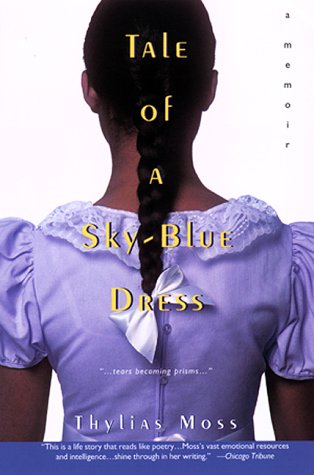
"Within my life's present unified theory of being, splendor divests itself of its own integrity, splitting to belong to everything that notices it, each part as effective as the whole splendid thing. It belongs to whatever wants it and is inexhaustible even as someone lays dying, even as someone else cries thinking there is none, their tears becoming prisms . . . "
With these words, the acclaimed poet Thylias Moss proclaims a hymn to the power of light over darkness, both in her own life, and in the wider world. In this, her first prose work, the author of six books of poetry and winner of the most distinguished honors—including a MacArthur Fellowship Award, a Guggenheim Fellowship, an NEA Fellowship and a Whiting Award—delivers a brilliant, passionate, and utterly moving memoir.
It is the story of the only child of a maid and factory worker who moved to Ohio from the segregated South of the fifties. Raised with much love, she flourished until the age of five, when disaster struck, in the form of a girl in sky-blue dress. Her childhood was shattered by this girl, her babysitter, who took pleasure from inflicting pain, and whose reign of terror, even after its abrupt end, would send poisonous tendrils further into her life. Yet ultimately, Tale of a Sky-Blue Dress is about how a young woman retrieved her life from the grasp of darkness. It is about refusing to accept tyranny. It is about feasting on splendor. How can there not be pain in a world spinning madly, in the lovely calculable chaos? asks Thylias. But, she says, I am saying that joy is too necessary to abandon.