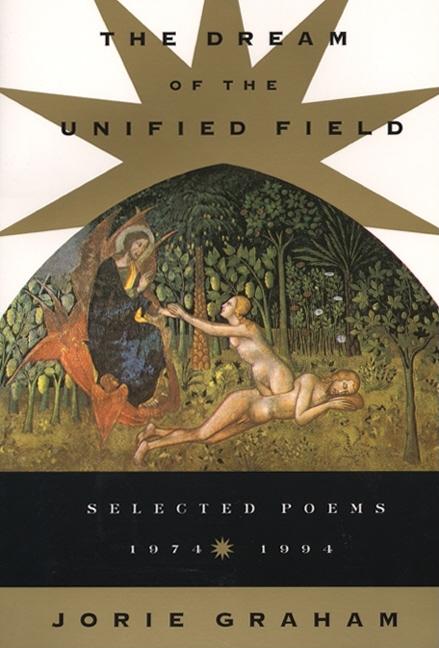
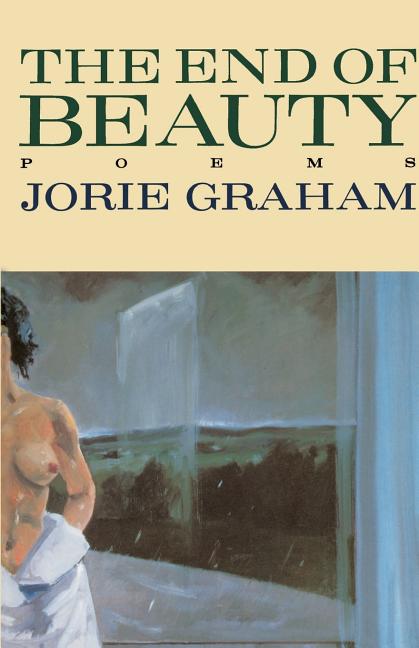
A collection of poems by "a poet of large ambitions and reckless music. Ms. Graham writes with a metaphysical flair and emotional power." —The New York Times Book Review
The 1996 Pulitzer winner in poetry and a major collection, Jorie Graham's The Dream of the United Field: Selected Poems 1974-1994 spans twenty years of writing and includes generous selections from her first five books: Hybrids of Plants and of Ghosts, Erosion, The End of Beauty, Region of Unlikeness, and Materialism.
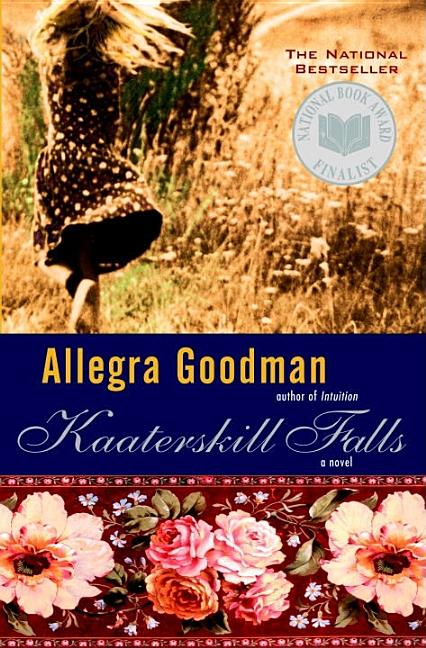
In the summer of '76, the Shulmans and the Melishes migrate to Kaaterskill, the tiny town in upstate New York where Orthodox Jews and Yankee year-rounders live side by side from June through August. Elizabeth Shulman, a devout follower of Rav Elijah Kirshner and the mother of five daughters, is restless. She needs a project of her own, outside her family and her cloistered community. Across the street, Andras Melish is drawn to Kaaterskill by his adoring older sisters, bound to him by their loss and wrenching escape from the Holocaust. Both comforted and crippled by his sisters' love, Andras cannot overcome the ambivalence he feels toward his children and his own beautiful wife. At the top of the hill, Rav Kirshner is coming to the end of his life, and he struggles to decide which of his sons should succeed him: the pious but stolid Isaiah, or the brilliant but worldly Jeremy. Behind the scenes, alarmed as his beloved Kaaterskill is overdeveloped by Michael King, the local real estate broker, Judge Miles Taylor keeps an old secret in check, biding his time . . .
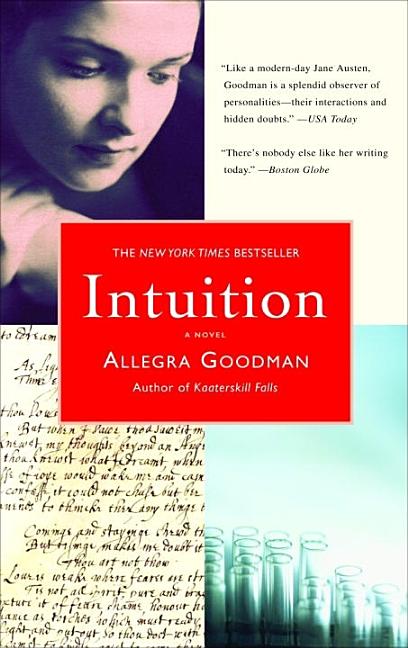
Hailed as “a writer of uncommon clarity” by The New Yorker, National Book Award finalist Allegra Goodman has dazzled readers with her acclaimed works of fiction, including such beloved bestsellers as The Family Markowitz and Kaaterskill Falls. Now she returns with a bracing new novel, at once an intricate mystery and a rich human drama set in the high-stakes atmosphere of a prestigious research institute in Cambridge, Massachusetts. Sandy Glass, a charismatic publicity-seeking oncologist, and Marion Mendelssohn, a pure, exacting scientist, are codirectors of a lab at the Philpott Institute dedicated to cancer research and desperately in need of a grant. Both mentors and supervisors of their young postdoctoral protégés, Glass and Mendelssohn demand dedication and obedience in a competitive environment where funding is scarce and results elusive. So when the experiments of Cliff Bannaker, a young postdoc in a rut, begin to work, the entire lab becomes giddy with newfound expectations. But Cliff’s rigorous colleague—and girlfriend—Robin Decker suspects the unthinkable: that his findings are fraudulent. As Robin makes her private doubts public and Cliff maintains his innocence, a life-changing controversy engulfs the lab and everyone in it. With extraordinary insight, Allegra Goodman brilliantly explores the intricate mixture of workplace intrigue, scientific ardor, and the moral consequences of a rush to judgment. She has written an unforgettable novel.
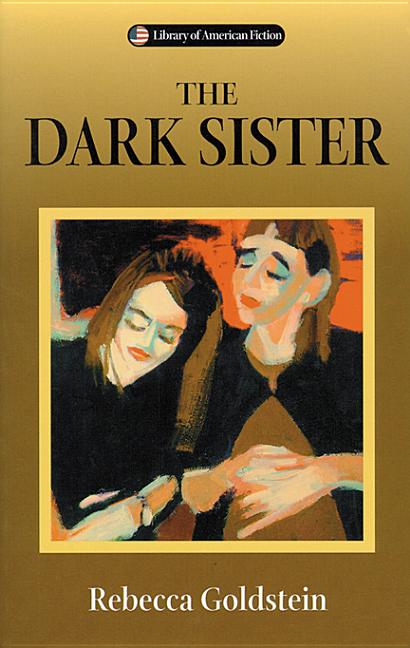
The story of the relationship between two sisters—Hedda, an intelligent writer of angry feminist novels, and Stella, a woman who has married and divorced several times. Within the novel is Hedda's own novel-in-progress of two Victorian sisters: one is a gifted astronomer; both are spinsters; and both may be on the verge of madness. A compelling blend of overlapping stories and unsettling dualities, The Dark Sister is a curious mixture of Victorian repressiveness regarding sex, intricate stories within stories, and Jewish humor.
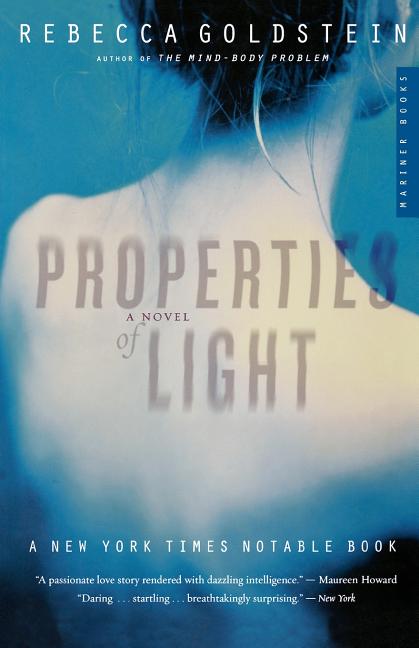
A grand gothic novel of the outer reaches of passion—of the body and of the mind—Properties of Light is a mesmerizing tale of consuming love and murderous professional envy that carries the reader into the very heart of a physics problem so huge and perplexing it thwarted even Einstein: the nature of light. Caught in the entanglements of erotic and intellectual passion are three physicists: Samuel Mallach is a brilliant theoretician unhinged by the professional glory he feels has been stolen from him; Dana is his intriguing and gifted daughter, whose desperate devotion to her father contributes to the tragic undoing of Justin Childs, her lover and her father's protege. All three are working together to solve some of the deepest and most controversial problems in quantum mechanics, problems that challenge our understanding of the "real world" and of the nature of time. The book grapples with these elusive mysteries, but at its heart is a fiery love story of startling urgency. Insights into quantum mechanics and relativity theory are attached to the nerve fibers of human emotions, and these connections are alive with poignancy and pathos. For these characters, the passion to know and understand, like the desire for love, is full of terrible risk, holding out possibilities for heartbreak as well as for ecstasy. The true subject of Properties of Light is the ecstatic response to reality, perhaps the only response that can embrace the erotic and the poetic, the scientific and the spiritual. Written with, and about, a rare form of passion, this incandescent novel is fiction at its most daring and utterly original.
A reading group favorite, The Jump-Off Creek is the unforgettable story of widowed homesteader Lydia Sanderson and her struggles to settle in the mountains of Oregon in the 1890s. “Every gritty line of the story rings true” (Seattle Times) as Molly Gloss delivers an authentic and moving portrait of the American West. “A powerful novel of struggle and loss” (Dallas Morning News), The Jump-Off Creek gives readers an intimate look at the hardships of frontier life and a courageous woman determined to survive.
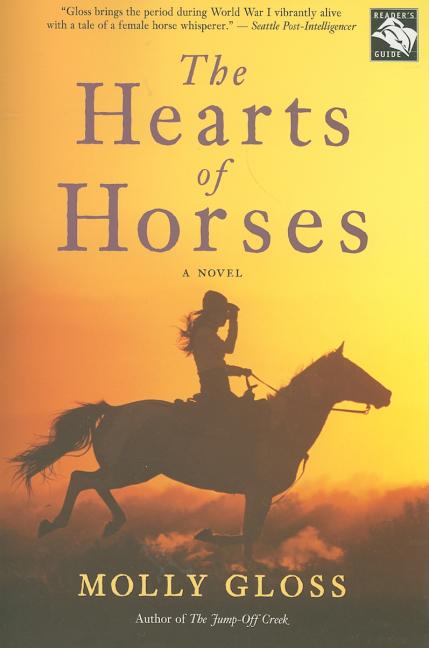
In the winter of 1917, nineteen-year-old Martha Lessen saddles her horses and heads for a remote county in eastern Oregon, looking for work “gentling” wild horses. She chances on a rancher, George Bliss, who is willing to hire her on. Many of his regular hands are off fighting the war, and he glimpses, beneath her showy rodeo garb, a shy but strong-willed girl with a serious knowledge of horses. So begins the irresistible tale of a young but determined woman trying to make a go of it in a man’s world. Over the course of several long, hard winter months, many of the townsfolk witness Martha talking in low, sweet tones to horses believed beyond repair—getting miraculous, almost immediate results. It's with this gift that she earns their respect, and a chance to make herself a home.
“The first lesson [my grandmother] ever taught me was that dancing matters . . . When she did come across men she fancied who didn’t dance, she sent them away until they did. They always learned, because my grandmother was bitingly beautiful, and that is the second lesson she taught me—that beauty inspires, all of God’s beauty, but especially hers.”
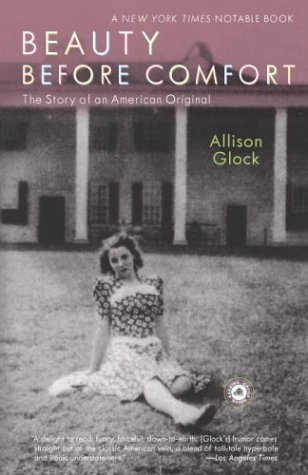
So writes Allison Glock at the start of her irresistible memoir of her maternal grandmother, Aneita Jean Blair, a woman who came of age during the Depression in a West Virginia factory town yet refused to succumb to the desperation that surrounded her. Instead, Aneita Jean rouged her cheeks and kicked up her heels and did her best to forget the realities of life in an insular community where your neighbors could be as unforgiving as the Appalachian landscape. Before it was all over, Aneita Jean would have seven marriage proposals and her share of the tragedies that befall small-town girls with bushels of suitors and bodies like Miss America, girls “who dare to see past the dusty perimeters of their lives.”
In lyrical and often breathtaking language, Glock travels back through time, assisted by a fistful of old photos and the piercing childhood memories of her grandmother, “a skinny, eager child with disobedient hair and bottomless longing.” Together they guide us through the cramped dankness of the pottery plants, the dense sweetness of the holler, and into the surging promise of the Ohio River, capturing not only the irrepressible vitality of Aneita Jean Blair, but also the rich ambiance of working-class West Virginia during the twenties, the Great Depression, and World War II. Expertly written, lovingly told, Beauty Before Comfort is stirring testimony to the vanished dreams, and powerful spirit, of an extraordinary person and place.
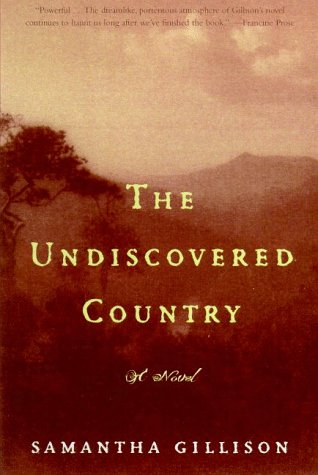
Despite misgivings about moving to such a remote and primitive place (and bringing their young daughter with them), Peter and June Campbell leave Massachusetts for the lush rain forest of Papua New Guinea where Peter will conduct a year of medical research for his doctoral thesis. Dark undercurrents of their feelings for one another rise inexorably to the surface. And, as the ties that bind the Campbells slowly unravel, they begin to explore the undiscovered in themselves. Spare and evocative, The Undiscovered Country offers an uncompromising vision of the fragility of the family and of the resiliency of the human spirit.